I spent fifteen years watching tech firms burn through six-figure budgets on “optimized” office layouts and high-end productivity software, only to have their best people drowning in digital noise. Everyone wants to sell you a magic pill—a specific standing desk, a subscription to a new focus app, or a $500 noise-canceling headset—as if those things alone create deep work environments. It’s a lie. You can sit in a designer ergonomic chair in a soundproof pod, but if your mental architecture is a mess, you aren’t doing deep work; you’re just paying to be distracted in comfort.
I’m not here to sell you on a new gadget or a trendy aesthetic. Instead, I’m going to show you how to build a system that actually protects your cognitive bandwidth. We are going to strip away the fluff and focus on the structural habits and environmental cues that allow you to actually sink into your most important tasks without the constant urge to check your inbox. This isn’t about buying more stuff; it’s about reclaiming your ability to think.
Table of Contents
Mastering Cognitive Load Management Without New Software
We have this collective obsession with finding the perfect app to “fix” our focus, but the truth is that your brain doesn’t need more features; it needs fewer distractions. Most of the friction you feel during a heavy task isn’t a software problem—it’s a failure of cognitive load management. When you jump between a dozen open tabs or let every Slack notification ping, you aren’t just losing time; you are burning the mental fuel required to actually think.
Instead of downloading another task manager, look at your physical and digital surroundings. True flow state optimization comes from preemptively removing the friction points that pull you out of the zone. This might mean a strict “one-tab” rule during intense sessions or simply using noise-canceling technology to create a predictable auditory boundary. I’ve found that the most effective way to protect your headspace is to stop trying to manage the noise and start minimizing digital interruptions before they even have a chance to land. If a tool requires your constant attention to stay updated, it isn’t a tool—it’s a distraction.
Using Environmental Psychology for Productivity to Protect Your Focus
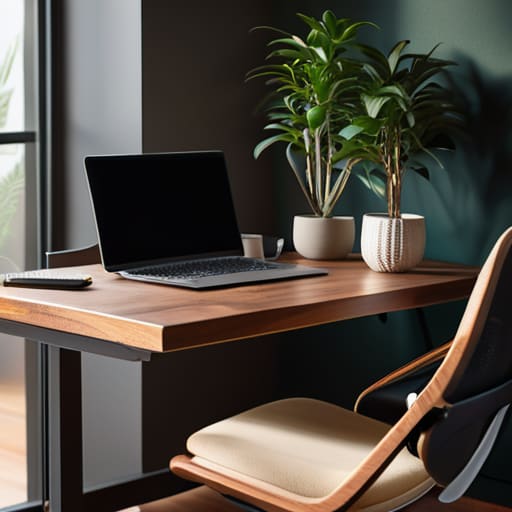
We often make the mistake of thinking focus is a mental muscle we can just flex harder, but the truth is that your surroundings are doing most of the heavy lifting. If your desk is a graveyard of half-finished coffee mugs and tangled charging cables, you’re fighting a losing battle. I’ve found that ergonomic workspace design isn’t just about a fancy chair; it’s about reducing the friction between your intention and your action. When your physical space is intentional, your brain doesn’t have to waste energy processing clutter, which leaves more room for the actual work.
It’s also about managing the sensory input that pulls you out of your zone. You don’t need a high-tech sensory deprivation tank, but you do need to be deliberate about sound and light. Utilizing noise-canceling technology can be a game-changer when you’re in a loud office, acting as a physical signal to yourself and others that you are unavailable. By applying basic principles of environmental psychology for productivity, you create a sanctuary that supports flow state optimization rather than constantly sabotaging it. Stop trying to out-willpower your environment and start designing one that actually works with you.
Five Low-Tech Tactics to Guard Your Deep Work
- Audit your sensory inputs. If a flickering light or a hum from a nearby server is grating on your nerves, address it immediately. You can’t enter a flow state if your nervous system is constantly reacting to micro-distractions.
- Define your physical boundaries. Even if you’re working from a kitchen table, use a specific object—a certain coaster or a dedicated lamp—to signal to your brain that “work mode” has officially begun.
- Stop the notification cascade. Turn off every single non-human notification on your devices. If it isn’t a direct message from a person who needs an immediate answer, it doesn’t deserve to interrupt your cognitive process.
- Use analog buffers. Before you dive into a heavy task, spend five minutes with a physical notebook. Write down the one thing you need to accomplish and the one thing that’s currently cluttering your mind. It clears the mental cache.
- Schedule your “shutdown ritual.” Deep work is taxing. You need a hard stop to your day to prevent burnout. When the work is done, close the laptop, clear the desk, and physically move away from the space to let your brain reset.
The Bottom Line for Your Workflow
Stop looking for a “magic” app to fix your focus; real productivity comes from managing your mental energy and physical environment, not your subscription list.
Protect your deep work by ruthlessly minimizing cognitive friction—if a tool or a habit adds more complexity than it solves, get rid of it.
Build a system that prioritizes stability over novelty; a predictable, low-distraction environment is worth more than a dozen shiny new productivity hacks.
The Myth of the Perfect Tool
A new productivity app won’t fix a fractured workflow; stop trying to organize your chaos with more software and start building an environment that respects your attention.
Emmett Kowalski
The Bottom Line
At the end of the day, building a deep work environment isn’t about finding a magic piece of software or the perfect standing desk; it’s about intentionality. We’ve looked at how managing your cognitive load is more effective than downloading another task manager, and how your physical surroundings can either anchor you or pull you apart. If you focus on reducing friction and controlling your sensory input, you stop fighting your environment and start working with it. Remember, the goal is to create a space where your brain doesn’t have to work overtime just to stay on task.
I know how easy it is to get caught in the loop of “optimization porn,” constantly searching for that one tool that will finally make you feel productive. But real efficiency is quiet. It’s found in the steady, disciplined application of simple systems that protect your most valuable asset: your attention. Stop chasing the digital high and start building a sustainable ritual that respects your mental energy. When you finally clear the noise, you won’t just get more done—you’ll actually have the headspace to enjoy the work you do.
Frequently Asked Questions
How do I maintain a deep work environment when my physical workspace is shared with roommates or family?
Shared spaces are a logistical nightmare, but you can’t control their behavior—only your boundaries. First, stop expecting total silence; it’s a myth. Instead, invest in high-quality noise-canceling headphones to create a sensory “do not disturb” zone. Second, use visual cues. A specific lamp on your desk or a closed door tells others you’re in deep work. If that’s not possible, negotiate specific “quiet hours” that work for everyone. Systems over luck.
Can I actually build a functional deep work system if my job requires me to be "always on" for Slack or email?
You can, but you have to stop treating “always on” as a synonym for “always available.” If you react to every ping, you aren’t working; you’re just being managed by your notifications. Build “communication windows” into your workflow. Set specific times to clear Slack and email, and communicate those boundaries clearly to your team. A functional system isn’t about ignoring people; it’s about teaching them when they can actually expect a response.
What are the most effective ways to signal to my brain that it's time to switch from shallow tasks to deep work without relying on digital timers?
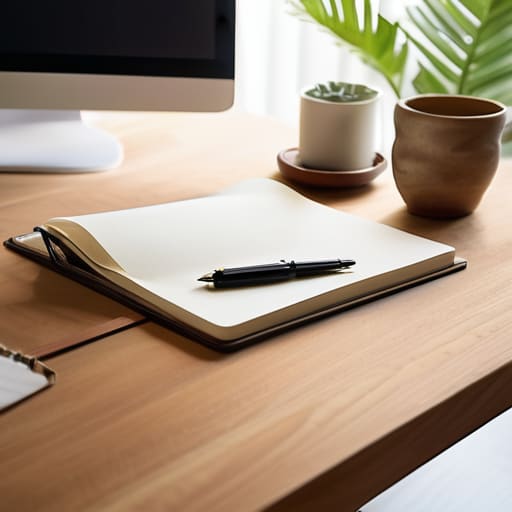
Stop looking for a new app to tell you when to focus. Your brain needs sensory anchors, not digital pings. I use a physical ritual: I clear my desk of everything except my notebook and a single pen, then I put on a specific pair of noise-canceling headphones. That tactile shift—the weight of the headphones and the emptiness of the desk—acts as a Pavlovian trigger. It tells my nervous system the shallow work is over.
