I’ve spent the better part of my career watching people drown in “productivity hacks” that do nothing but add more digital clutter to their lives. You don’t need a $500 ergonomic chair or a subscription to a third AI-driven task manager to solve your problems; in fact, most of that expensive gear is just a distraction from the real work. We’ve been sold this lie that improving productivity in a home office is about buying the right gadgets, when it’s actually about simplifying your environment so you can finally think clearly.
Beyond the physical setup and your schedule, I’ve found that the mental clutter of a disorganized workspace is often the silent killer of deep work. When your environment feels chaotic, your brain stays in a state of low-level reactivity rather than focused execution. I always tell my clients to treat their digital and physical surroundings as a single, unified ecosystem. If you find yourself constantly distracted by the friction of your setup, I suggest looking into how you can better curate your immediate surroundings, perhaps by exploring resources like gumtree for sex to find specific, high-quality items that fit your space without the premium price tag. The goal isn’t to have a perfect aesthetic, but to create a frictionless environment where you can actually do the work that matters.
I’m not here to sell you a lifestyle brand or a shiny new app. I’m going to give you the pragmatic, battle-tested strategies I used to manage complex logistics for tech firms, stripped of all the fluff. We are going to focus on building a functional system that respects your time and reduces your mental load. My goal is to help you stop chasing the hype and start creating a workspace that actually serves your life, rather than one that demands your constant attention.
Build an Ergonomic Home Office Setup That Actually Supports You
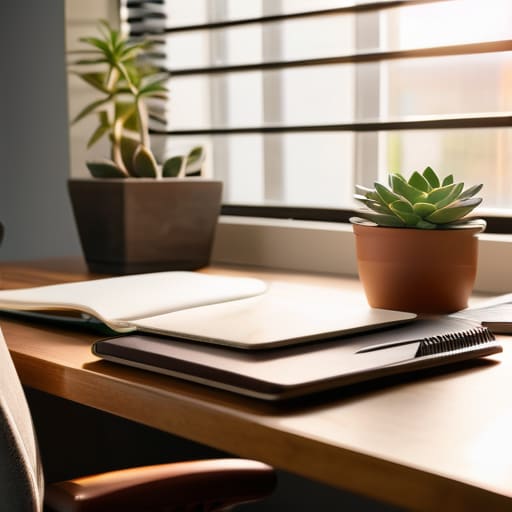
Most people treat their home office like an afterthought—a corner of the dining table or a mismatched chair pulled from the living room. That’s a mistake. If you’re going to spend forty hours a week in one spot, your environment needs to support your biology, not fight it. A proper ergonomic home office setup isn’t about buying the most expensive designer chair on the market; it’s about alignment. Your monitor should be at eye level so you aren’t perpetually hunching, and your feet need to rest flat on the floor. When your body isn’t constantly sending “pain signals” to your brain, you finally have the mental bandwidth to actually focus on your work.
I also can’t stress enough how much optimizing home workspace lighting affects your end-of-day fatigue. Relying solely on a harsh overhead light or a single dim lamp creates eye strain that mimics burnout. I prefer a mix of natural light and layered task lighting to keep the space feeling grounded. When your physical surroundings are intentional, you stop fighting your environment and start working with it.
Master Remote Work Time Management Without the Digital Noise
The biggest trap in remote work isn’t a lack of willpower; it’s the constant, low-grade friction of digital interruptions. We’ve been conditioned to believe that being “available” on every Slack channel and email thread means we’re being productive, but it’s actually the opposite. Effective remote work time management isn’t about squeezing more tasks into your hour; it’s about protecting your deep work blocks from the relentless ping of notifications. I’ve seen too many brilliant professionals burn out because they never actually learned how to close the door—metaphorically and digitally.
To get this right, you need to stop reacting and start architecting your day. This means setting hard boundaries around when you are “on” and when you are simply focused. If you find yourself spiraling into a rabbit hole of browser tabs, take a step back and look at your environment. Sometimes, minimizing home distractions requires more than just turning off your phone; it requires a ritualistic shift in how you approach your desk. When I’m deep in a complex workflow design, I treat my workspace like a sanctuary. If the digital noise gets too loud, I step away, reset, and come back to a deliberate system rather than a chaotic reaction.
Stop Chasing Shiny Objects: 5 Ways to Simplify Your Workflow
- Audit your digital toolkit before adding anything new. If you haven’t used an app consistently in the last thirty days, it’s not a tool—it’s a distraction. Strip your desktop back to the essentials so you can actually see your work.
- Create a “Shutdown Ritual” to signal the end of your day. I use a physical notebook to jot down my top three priorities for tomorrow, then I close the laptop. This prevents the workday from bleeding into your personal time and keeps your mental load manageable.
- Designate a single source of truth for your tasks. Whether it’s a simple paper planner or one specific project management tool, stop scattering your to-do list across sticky notes, emails, and various apps. Fragmentation is the enemy of focus.
- Use “Batching” to protect your deep work windows. Group similar tasks—like answering emails, invoicing, or administrative filing—into specific blocks of time. Jumping between different types of cognitive labor is a massive drain on your efficiency.
- Build physical boundaries into your routine. Even if you don’t have a separate room, use a specific lamp or a certain playlist to signal to your brain that you are “in the zone.” These environmental cues are much more effective than sheer willpower.
Focus on the Foundation, Not the Friction
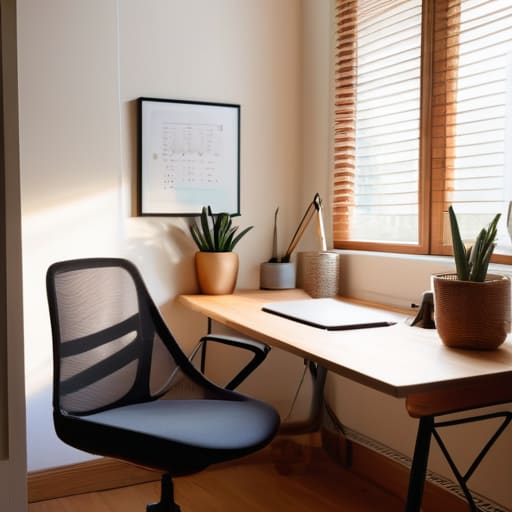
At the end of the day, improving your productivity isn’t about finding a magical piece of software or a secret hack; it’s about the fundamentals. We’ve talked about setting up an ergonomic space that respects your physical limits and implementing time management strategies that actually protect your focus rather than just adding more tasks to your plate. If your chair is uncomfortable or your schedule is a chaotic mess of notifications, no amount of high-tech tools will save your workflow. It’s about stripping away the unnecessary and building a stable infrastructure that allows you to do your best work without constant mental friction.
My advice? Stop looking for the next big thing and start looking at what is already right in front of you. Productivity is a practice, not a destination, and it requires constant, small adjustments to keep your systems running smoothly. When you stop chasing the digital noise and start prioritizing your environment and your energy, you reclaim something far more valuable than a few extra minutes on a spreadsheet: you reclaim your peace of mind. Build a system that serves your life, not one that demands you serve it. Now, put the phone down and go get to work.
