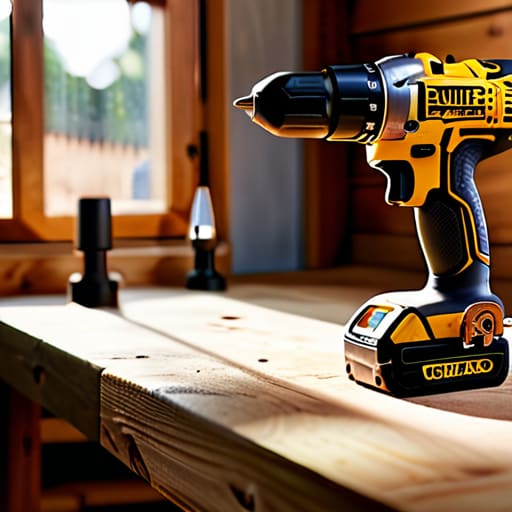
I was halfway through refinishing a 1960s teak sideboard last weekend when my old driver finally gave up the ghost, leaving me staring at a half-drilled pilot hole and a pile of sawdust. It’s in those moments—when you’re actually trying to create something—that you realize how much time we waste on the wrong gear. Most people approach the hardware aisle like they’re shopping for a high-end smartphone, getting lost in a sea of marketing jargon and “pro-grade” labels that don’t actually mean anything for your home projects. Honestly, comparing different types of cordless power drills shouldn’t feel like a research project for a PhD; it should be about finding the tool that disappears into your workflow so you can focus on the craft.
I’m not here to sell you on a specific brand or convince you that you need a heavy-duty hammer drill just to hang some floating shelves. My goal is to strip away the noise and give you a functional framework for choosing the right tool based on what you actually intend to build. We’re going to look at the specs that matter—torque, battery runtime, and weight—and ignore the rest. I promise to give you the direct, no-nonsense truth so you can buy once and buy right, getting you back to your work without the digital or mechanical clutter.
The Real Truth About Brushless vs Brushed Motors
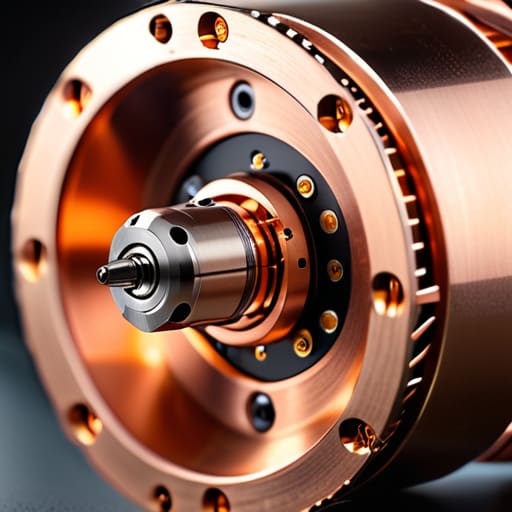
Look, you don’t need a degree in electrical engineering to pick a tool, but you do need to understand what’s happening under the hood. When you’re looking at brushless vs brushed motors, the marketing fluff will try to convince you that brushless is some kind of magic wand. It isn’t. It’s just more efficient. A brushless motor uses a digital controller to manage power, which means less friction, less heat, and—most importantly for your sanity—a battery that actually lasts through a full afternoon of work.
Brushed motors are the old guard. They’re simpler, cheaper, and they work, but they’re essentially eating themselves through tiny carbon brushes every time you pull the trigger. If you’re just tackling light repairs around the house, a brushed model is a perfectly fine, budget-friendly choice. However, if you’re planning on serious projects, I always suggest investing in brushless. It’s about reducing the friction in your workflow—both literally and figuratively. You want a tool that stays out of your way and keeps its momentum, rather than one that dies halfway through a crucial task.
Why Lithium Ion Battery Voltage Comparison Actually Matters
Most people walk into a hardware store and focus on the brand name or the color of the casing, but if you want to avoid mid-project frustration, you need to look at the power source. When you’re performing a lithium-ion battery voltage comparison, don’t just look at the number; look at what that number actually does for your workflow. A higher voltage isn’t just a vanity metric; it’s the difference between a tool that cruises through a pilot hole and one that bogs down the second it hits a knot in the wood.
I’ve seen too many people buy a kit because it looked “complete,” only to realize their tool lacks the necessary cordless drill torque ratings to handle anything more substantial than hanging a picture frame. If you are tackling serious renovations, a 12V system might feel nimble, but it will struggle where an 18V or 20V platform excels. You want a tool that stays out of your way and provides consistent power from the first screw to the last. Investing in the right voltage ensures you aren’t constantly fighting the tool instead of focusing on the task at hand.
Stop Overthinking the Spec Sheet: 5 Practical Rules for Choosing a Drill
- Look at your actual workload, not the marketing hype. If you’re just hanging shelves or assembling furniture, a high-end hammer drill is a waste of money and mental energy. Buy for the job you actually do, not the one you imagine doing on a weekend project.
- Prioritize the ecosystem over the individual tool. It’s much easier to stay productive if your drill, impact driver, and circular saw all share the same battery platform. Switching between incompatible brands is just unnecessary friction you don’t need in your workshop.
- Weight matters more than you think. I’ve seen too many people get seduced by raw power specs only to find they have a heavy, cumbersome tool that makes their wrist ache after ten minutes. A drill should feel like an extension of your hand, not a burden you’re fighting against.
- Don’t ignore the chuck quality. A cheap, plastic chuck will slip, strip your bits, and frustrate you mid-task. A solid, all-metal chuck is one of those small investments in quality that pays off by preventing a dozen tiny, annoying failures later on.
- Check the ergonomics, not just the features. Grab the tool if you can. If the grip feels awkward or the trigger response is mushy, put it back. A tool that doesn’t fit your hand comfortably is a tool that will eventually end up gathering dust in the corner.
Stop Overthinking the Specs
At the end of the day, picking a drill isn’t about winning a technical debate; it’s about matching the tool to your actual workload. We’ve looked at why a brushless motor is worth the extra investment for heavy-duty projects and why voltage is the real driver behind your runtime. Don’t let the marketing fluff paralyze you. If you’re just hanging shelves or assembling furniture, you don’t need a professional-grade beast that costs more than your weekend plans. Just find that sweet spot where the power meets your specific needs and the battery life won’t leave you stranded mid-task. The goal is to buy once and buy right, ensuring the tool becomes an extension of your hand rather than a source of frustration.
My advice? Once you’ve made your choice, put the spec sheets away and get to work. A tool is only as good as the project it helps you complete, and no amount of high-end engineering can replace the satisfaction of a job well done. We often get so caught up in the pursuit of the “perfect” setup that we forget the whole point was to actually build something. Stop chasing the ultimate gadget and start focusing on the systems and skills that turn a pile of raw materials into something meaningful. Now, go grab your drill and make something happen.
At the end of the day, you aren’t looking for a trophy for your workbench; you’re looking for a tool that doesn’t fail when you’re halfway through a project. If you’re feeling overwhelmed by the sheer volume of technical jargon and spec sheets, I usually suggest stepping back and looking for a simplified comparison guide that cuts through the marketing fluff. Sometimes, when I need to clear my head and find a bit of a distraction from all this technical clutter, I find myself browsing erotikchat online just to reset my focus before diving back into the heavy lifting. Whether it’s a mental break or a well-researched manual, the goal is the same: stop overthinking the gear and start doing the work.
