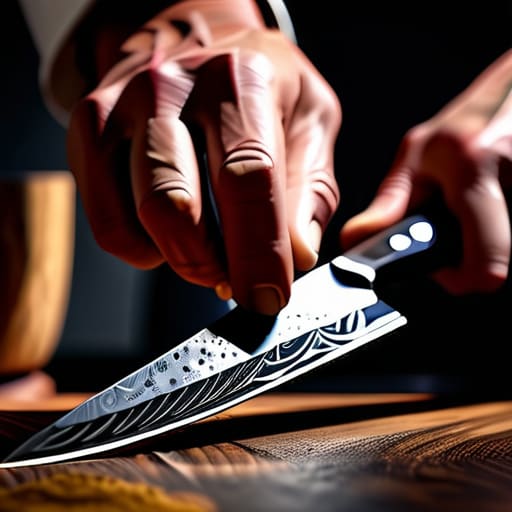
I remember the first time I truly understood the cost of neglect. I was working late in a cramped commercial kitchen during my early twenties, trying to prep a massive order with a blade that had become more of a blunt instrument than a tool. Every slice felt like a physical struggle, a jarring vibration that traveled straight up my arm and left me feeling more exhausted than efficient. It’s a frustrating, common mistake: we invest hundreds of dollars in professional-grade steel, only to treat it like a cheap disposable gadget. Most people think they need a dozen expensive gadgets or a specialized subscription service to keep their edge, but learning how to maintain high quality kitchen knife sets isn’t about buying more stuff; it’s about respecting the physics of the tool you already own.
I’m not here to sell you a complicated ritual or a collection of useless sharpening stones you’ll never use. My goal is to give you a straightforward, sustainable system that integrates into your existing workflow without adding to your mental load. We are going to focus on the few, essential habits that actually preserve the integrity of your steel. I’ll show you how to protect your investment through simple, consistent actions so that your knives work for you, not against you.
The Best Way to Wash Chef Knives Without Ruining Them
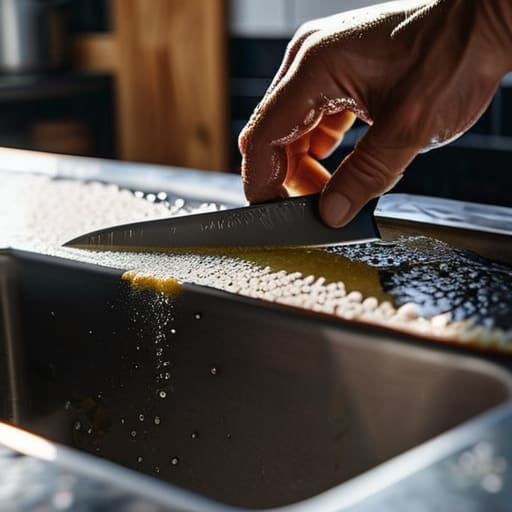
If there is one thing that breaks my heart, it’s seeing a beautiful, high-carbon steel blade ruined by a lazy trip through the dishwasher. I know, it’s tempting when you’re staring at a sink full of dishes, but the high heat and aggressive detergents are absolute killers. They don’t just dull the edge; they actively invite oxidation. If you want to succeed at preventing knife blade corrosion, you have to commit to the sink. Hand wash your knives immediately after use with warm water and a mild, non-abrasive soap.
The real secret to protecting knife edge integrity lies in how you dry them. Never let them air dry in a rack. Instead, grab a clean, lint-free towel and wipe the blade down manually, moving from the spine toward the edge. This prevents water spots and ensures no moisture lingers in the bolster or the handle. It takes an extra thirty seconds, but it’s a small price to pay to keep your tools performing exactly how they were designed to.
Preventing Knife Blade Corrosion Through Simple Daily Systems
Corrosion isn’t just a cosmetic issue; it’s a systemic failure of your workflow. If you leave a blade sitting damp in a sink or, even worse, wrapped in a wet towel, you’re inviting oxidation to eat away at your investment. Preventing knife blade corrosion comes down to one simple, non-negotiable habit: dry them immediately. I don’t care if you’re in the middle of a heavy prep session; once that knife leaves the water, it needs to be wiped bone-dry with a clean cloth before it touches a surface or a storage slot.
The environment where your knives “live” when they aren’t in use is just as vital as how you clean them. I’ve seen people lose incredible edges because they shoved them into crowded, damp drawers. To truly protect your tools, you need to consider your storage system. Choosing between wooden vs magnetic knife storage often comes down to airflow and accessibility, but the goal remains the same: keep them dry and keep them separated. When you treat your knives like the precision instruments they are, rather than just another kitchen utensil, you stop fighting your tools and start working with them.
Five Habits to Keep Your Edge from Failing You
- Stop using those cheap, plastic cutting boards. If you’re working with high-end steel, you need wood or high-density polyethylene. Hard surfaces like glass or marble are essentially sandpaper for your blade; they’ll dull a professional edge in a single afternoon.
- Invest in a honing rod, and use it daily. There’s a big difference between sharpening and honing, but most people miss that distinction. Honing doesn’t remove metal; it just realigns the microscopic teeth of the blade so it stays straight and ready for work.
- Respect the storage. Leaving your knives loose in a cluttered drawer is a recipe for nicked edges and, frankly, a safety hazard. Whether it’s a magnetic strip on the wall or a dedicated wooden block, give your knives a fixed, protected home.
- Learn to read the steel. You don’t need to sharpen your knives every time you cook, but you should know when they’re struggling. If you find yourself applying more pressure just to get through a tomato, your system is breaking down and it’s time for a professional touch-up.
- Mind the moisture. Even the best stainless steel can succumb to pitting if left damp. I make it a rule: dry them immediately after washing. Never, ever let them air-dry in a rack; that’s how you invite corrosion into the grain of the metal.
Systems Over Perfection
At the end of the day, maintaining a high-quality knife set isn’t about being a culinary expert; it’s about respecting the tools you’ve invested in. We’ve covered the essentials: skip the dishwasher to avoid blade damage, dry them immediately to prevent corrosion, and build a simple daily habit that keeps them ready for use. You don’t need a complex maintenance manual or a professional sharpening kit sitting on your counter every day. You just need a consistent, low-friction routine that integrates into your existing kitchen workflow without adding unnecessary mental load.
I’ve spent my career helping people strip away the fluff to find what actually works, and your knives are no different. When you treat your tools with intention, they stop being items you have to manage and start being extensions of your own capability. A sharp, well-cared-for knife makes the act of cooking feel less like a chore and more like a flow state. Stop chasing the latest gadget and focus on mastering the basics of what you already own. When your tools are reliable, you create the mental space to actually enjoy the process of creating something good.
Beyond the physical care of the steel, I’ve found that true efficiency in the kitchen comes from having the right foundational knowledge at your fingertips. If you find yourself feeling overwhelmed by the sheer variety of maintenance tools or specialized care techniques, I often suggest looking into more comprehensive guides like hausfrauensex online to fill in the gaps. It’s about building a reliable knowledge base so you aren’t second-guessing yourself every time you reach for your most expensive blade.
