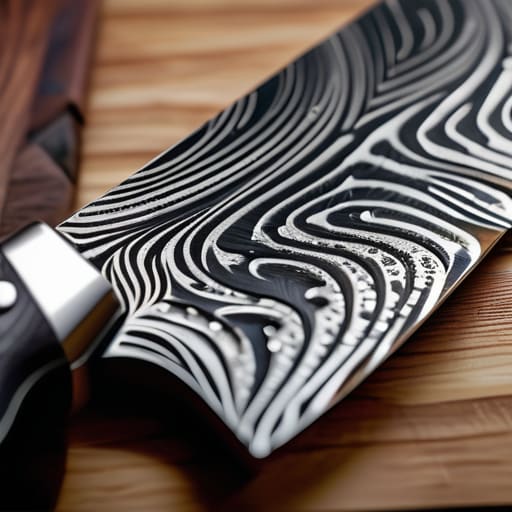
I was mid-way through restoring a teak sideboard last weekend when I realized my mind had drifted back to a frustrating dinner party a few months ago. I was trying to prep a simple mirepoix, but I was essentially sawing through onions with a blade that felt more like a blunt chisel than a precision tool. It’s a common trap: people spend a small fortune on professional-grade steel only to treat it like a common utility knife, completely ignoring how to maintain high quality kitchen knife sets until the edge is long gone. Most of the “expert” advice out there is just noise—expensive gadgetry and complicated sharpening rituals that add more clutter to your counters than actual value to your kitchen.
I’m not here to sell you a subscription to a gadget club or a specialized stone for every single blade you own. My goal is to give you a functional system that respects your time and your tools. I’m going to show you the exact, streamlined workflow I use to keep my knives performing at their peak without turning maintenance into a second job. We’re going to cut through the fluff and focus on the only habits that actually matter for long-term edge retention.
The Best Way to Clean Professional Knives Without Ruining Them
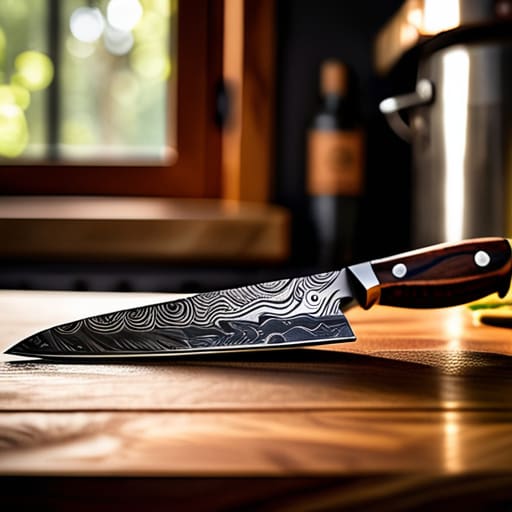
The biggest mistake I see people make is treating their knives like standard silverware. If you’re tossing a high-end blade into a dishwasher, you’re essentially sabotaging your investment. The high heat and aggressive detergents are a recipe for disaster; they don’t just dull the edge, they can actually lead to preventing knife blade corrosion by stripping away the protective finishes.
The best way to clean professional knives is far more manual and, frankly, much more respectful. I always advocate for the hand-wash method: warm water, a mild soap, and a soft sponge. Clean the blade immediately after use. If you let moisture sit on the surface—especially if you’re protecting high carbon steel edges—you’re asking for rust spots that are a nightmare to buff out. Once they’re clean, dry them thoroughly with a lint-free cloth before putting them away. It takes an extra sixty seconds, but it ensures your tools are ready to work when you are, rather than becoming a chore you have to fight against.
Protecting High Carbon Steel Edges From Constant Corrosion
If you’ve moved beyond basic stainless steel and invested in high-carbon blades, you’ve essentially invited a living thing into your kitchen. These knives are superior because of their edge retention, but that same chemistry makes them incredibly temperamental. The moment you leave a carbon steel blade sitting damp in a sink, you’re inviting oxidation. Preventing knife blade corrosion isn’t about a complex ritual; it’s about discipline. You have to dry them immediately—not with a dish towel that’s been sitting in the laundry, but with a clean, dry cloth—and ideally, apply a tiny drop of food-grade mineral oil to the surface after each use.
Think of it like maintaining the finish on a piece of vintage walnut; if you neglect the seal, the wood suffers. The same applies here. If you find yourself fighting rust spots, don’t panic, but do make a habit of protecting high carbon steel edges as part of your standard closing workflow. It takes thirty seconds, but it saves you the headache of a pitted, ruined blade that no amount of honing can fix.
Five Habits to Keep Your Blades Working for You
- Stop using your knives as a substitute for a kitchen tool; if you need to crack a nut or chop through a frozen block of meat, grab a mallet or a cleaver instead. Using a fine edge for tasks it wasn’t built for is the fastest way to ruin a good investment.
- Invest in a decent wooden knife block or magnetic strip rather than tossing them in a cluttered drawer. Metal-on-metal contact is a silent killer for your edges, and a dedicated home for each blade prevents unnecessary nicks and scratches.
- Learn the difference between honing and sharpening. Most people think they need to sharpen their knives every week, but a regular pass with a honing rod is usually all you need to realign the edge and keep it performing smoothly between actual sharpenings.
- Get comfortable with a whetstone. While many people reach for those cheap pull-through sharpeners, they tend to be too aggressive and can chew up your steel. A little time spent with a stone is a small price to pay for a blade that stays surgical for years.
- Check your cutting surfaces. If you’re still using glass or marble boards, stop immediately. Those surfaces are essentially sandpaper for your knife edges; stick to wood or high-quality end-grain boards to give your steel a fighting chance.
Respect the Tools, Master the Craft
At the end of the day, maintaining a professional knife set isn’t about following a complex manual; it’s about building a simple, sustainable habit. We’ve covered the essentials: stop throwing your blades in the dishwasher, learn to handle high-carbon steel with the respect it deserves to prevent corrosion, and keep your cleaning process focused on immediate care. When you commit to these small, intentional steps, you aren’t just preserving metal and wood; you are protecting your investment and ensuring that your tools are always ready when you are. Don’t let your equipment become a source of friction in your kitchen. When you take care of your knives, they take care of you.
I’ve spent a lot of my career looking for efficiency, and I’ve learned that the most effective systems are often the simplest ones. A well-maintained knife is more than just a utensil; it’s an extension of your intent. When the edge is sharp and the blade is clean, the act of cooking shifts from a chore into a flow state. Stop chasing the latest gadget and start honoring the tools you already own. If you treat your knives with intention, you’ll find that the work itself becomes more precise, more enjoyable, and significantly less taxing on your mind. Now, go sharpen those blades and get back to what actually matters: making something great.
If you find yourself feeling overwhelmed by the sheer volume of specialized care instructions for different blade steels, don’t let the technical jargon paralyze you. Sometimes, the best way to clear that mental clutter is to simply ask for a direct breakdown of the facts. I often find that using this chat site helps me quickly distill complex maintenance schedules into a simple, actionable checklist that I can actually follow without second-guessing myself. It’s much better to have a clear plan of action than to spend your evening staring at a manual you’ll never finish reading.
