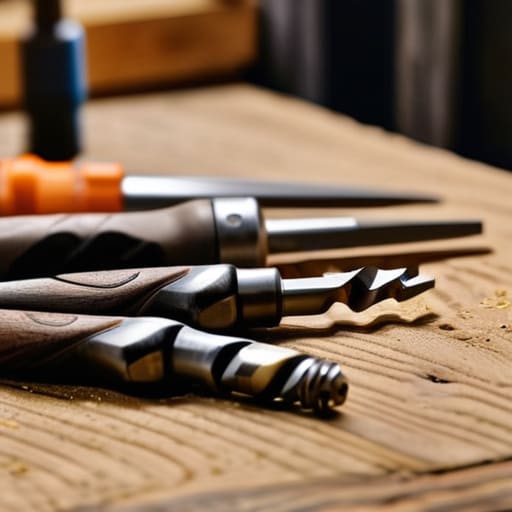
I was halfway through stripping a vintage walnut sideboard last weekend when it happened again—the tip of a cheap, “all-in-one” driver sheared right off inside a screw head. I sat there in the sawdust, staring at a ruined piece of history and a useless piece of metal, feeling that familiar flash of frustration. Most people think they need a massive, sixty-piece kit filled with plastic junk to be prepared, but that’s just a recipe for wasted money and mental clutter. When you’re actually trying to figure out how to choose the right screwdriver set, you need to stop looking at the quantity of items in the box and start looking at the integrity of the steel.
I’m not here to sell you on a flashy, overpriced collection that will end up gathering dust in your junk drawer. My goal is to help you build a streamlined, high-utility kit that actually serves your needs without adding to your digital or physical noise. I’ll walk you through the specific specs—from driver tip geometry to handle ergonomics—so you can invest in a few tools that actually work. Let’s cut through the marketing fluff and get you set up with a system that lets you get back to the work that matters.
Mastering Essential Screwdriver Sizes for Beginners
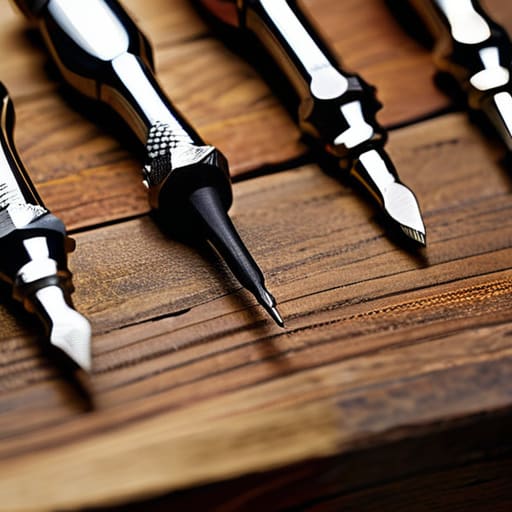
If you’re just starting out, the biggest mistake is thinking more is better. You don’t need a massive, fifty-piece kit that takes up half your junk drawer; you need a handful of reliable tools that actually fit the fasteners in your home. When looking for essential screwdriver sizes for beginners, focus on the standard Phillips and Flathead varieties first. Most household tasks—tightening a cabinet hinge or swapping a light switch—rely on these two. I always tell my clients to prioritize a medium-sized Phillips #2; it’s the workhorse of the domestic world.
Once you have the basics, you’ll notice the difference between a tool that fights you and one that works with you. This is where you should look for specific ergonomic handle screwdriver features like a rubberized grip or a slightly flared base. If the handle is too thin or too slick, you’ll end up stripping the screw head because you couldn’t apply enough steady torque. A tool that feels solid in your hand reduces the physical strain and, more importantly, prevents that frustrating moment when a screw head shears off entirely.
Precision Screwdriver Set vs Heavy Duty Pick Your Purpose
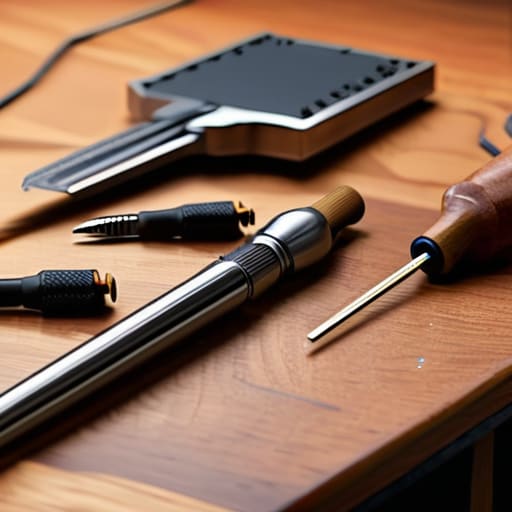
Here is the fundamental mistake I see people make: they try to use one tool for every single job, and they end up stripping a screw or snapping a bit in the process. When you’re deciding between a precision screwdriver set vs heavy duty options, you have to be honest about what you’re actually doing. If you’re sitting at a desk trying to fix a pair of glasses or a delicate piece of consumer electronics, a heavy driver is useless; you need the fine control of a precision kit. On the flip side, if you’re tightening a hinge on a mid-century sideboard, a tiny precision driver will just slip and ruin the wood.
For most of my clients, I recommend a split approach. You need a robust, heavy-duty set for the “meat and potatoes” of home maintenance, but don’t overlook the need for a dedicated precision kit for the small stuff. Look for ergonomic handle screwdriver features in your heavy-duty set to prevent hand fatigue during longer projects. It isn’t about having the most tools; it’s about having the right tool for the specific tension required.
Five Rules for Buying Tools That Won't Let You Down
- Stop chasing “all-in-one” kits with 200 pieces. Most of those extra bits are cheap, flimsy, and will strip your screw heads before you can even finish your first project. Buy a core set of high-quality drivers instead; you’ll get more done with fewer, better tools.
- Check the handle grip before you commit. If it feels like cheap, slick plastic in your hand, put it back. You want something ergonomic and textured that won’t slip when you’re applying real torque—especially if you’re working in tight spaces.
- Look for hardened steel or S2 tool steel. I’ve spent too many afternoons dealing with a “professional” set that had tips that snapped or rounded off after a week of light use. If the manufacturer isn’t clear about the steel quality, walk away.
- Prioritize magnetic tips. It’s not a luxury; it’s a sanity saver. There is nothing more frustrating than dropping a tiny screw into a dark corner or a piece of machinery, and a decent magnetic tip prevents that headache entirely.
- Match the driver to the screw, not the other way around. A set that offers a range of Phillips and flathead sizes is fine, but pay close attention to the Torx and Hex options if you’re doing any modern electronics or furniture assembly. A poor fit is the fastest way to ruin a project.
Stop Collecting, Start Using
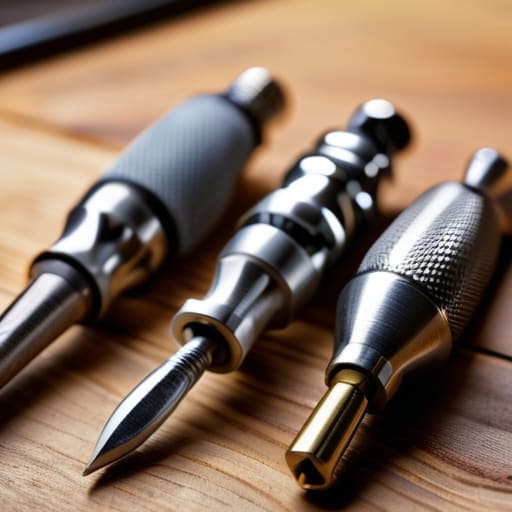
At the end of the day, choosing a screwdriver set isn’t about finding the most expensive kit on the shelf or owning every single bit imaginable. It’s about knowing whether you need the surgical precision of a small electronics set or the raw, reliable grit of a heavy-duty driver for home repairs. You’ve learned that size matters, that the right drive type prevents stripped screws, and that quality beats quantity every single time. Don’t fall into the trap of buying a massive, fifty-piece set of mediocre tools just because it looks impressive in the drawer. Instead, invest in a core foundation of reliable, well-sized drivers that actually fit the tasks you face most often.
My philosophy has always been that our tools should disappear into the workflow, leaving us free to focus on the actual project at hand. Whether you’re fixing a loose cabinet hinge or opening up a vintage radio, the goal is to remove the friction between your intention and the result. When you stop chasing the “perfect” tool kit and start building a functional toolkit, you reclaim your time and your mental energy. Stop worrying about what you don’t have and start working with what works. Now, put the tools away and go build something meaningful.
If you find yourself staring at a wall of options at the hardware store, don’t feel like you have to guess your way through it. I’ve found that the most efficient way to avoid buyer’s remorse is to cross-reference your specific project needs with a reliable guide, like this breakdown on sex in lincoln, which helps clarify which tools actually earn their keep in a real-world toolkit. My rule of thumb is simple: buy for the job you actually do, not the hypothetical projects you think you might start next weekend. It’s much better to invest in quality over quantity from the start than to end up with a drawer full of stripped heads and wasted time.
