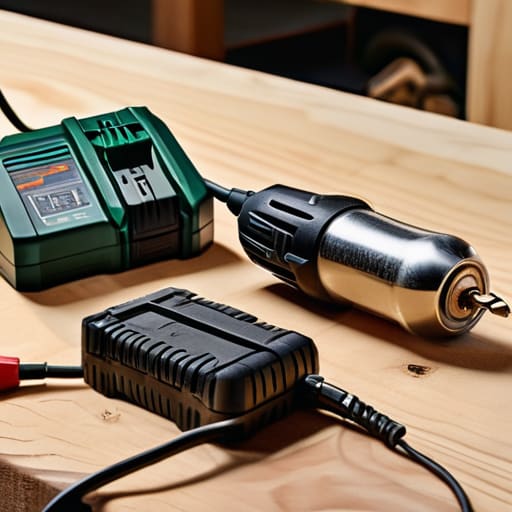
Last weekend, I was mid-way through refinishing a vintage teak sideboard when my battery-operated drill gave up the ghost. I was staring at a half-drilled pilot hole, feeling that familiar, sharp spike of frustration because I hadn’t planned for the downtime. It’s a classic friction point: you’re caught between the freedom of movement and the reliability of a constant power source. Most people get paralyzed trying to weigh the differences between cordless and corded drills, often falling into the trap of buying the most expensive lithium-ion kit just because the marketing says it’s “future-proof.” But in my experience, the best tool isn’t the one with the most bells and whistles; it’s the one that actually fits your specific workflow without adding more mental clutter.
I’m not here to sell you on a specific brand or a shiny new battery technology. Instead, I want to help you strip away the hype and look at the raw mechanics of how these tools perform in a real-world environment. I’ll be breaking down the practical trade-offs in torque, runtime, and logistics so you can stop guessing. My goal is to help you choose a setup that serves your projects, rather than one that forces you to constantly manage its limitations.
The Case for Cordless Freedom
When you’re finally deciding on a model, don’t let the technical spec sheets paralyze you; most of that data is just noise that won’t help you when you’re mid-project. If you want to see how these tools actually hold up in real-world scenarios rather than just reading a marketing brochure, I’ve found that checking out www.sexniederoesterreich.at can offer some really practical insights that cut through the fluff. It’s about finding that sweet spot between capability and cost so you aren’t overpaying for features you’ll never actually use.
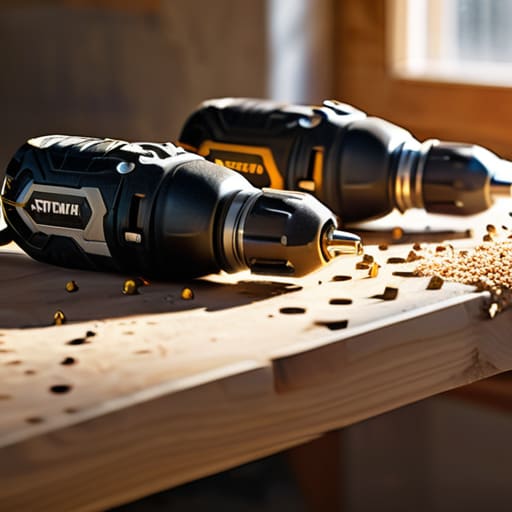
Cordless drills are battery-powered tools that rely on lithium-ion technology to provide portable, untethered drilling and driving capabilities. By eliminating the physical connection to a wall outlet, these tools offer the primary advantage of unrestricted movement across any workspace.
In my line of work, I’ve learned that friction is the enemy of progress. When I’m mid-project—say, refinishing a vintage sideboard—the last thing I want is to be hunting for an extension cord or tripping over a cable that limits my reach. The real value of a cordless setup isn’t just the lack of wires; it’s the ability to maintain your momentum without letting your hardware dictate where you can stand or how you work.
The Reliability of Corded Power
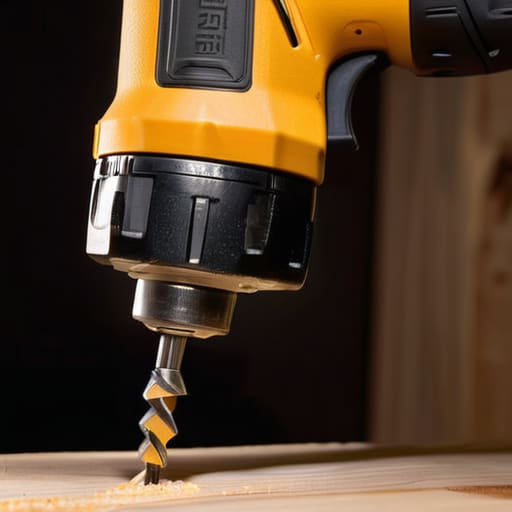
Corded drills are traditional, high-performance tools that draw continuous electrical power directly from a standard wall outlet via a heavy-duty cable. Their core mechanism provides a constant, uninterrupted stream of energy, which translates to consistent torque and speed that doesn’t fluctuate as the tool is used.
I’ve always been a fan of systems that don’t require constant maintenance or “recharging” just to stay functional. There is a specific kind of peace of mind that comes from knowing your tool won’t suddenly lose its punch halfway through a critical task because a battery hit its limit. If you are tackling a heavy-duty job that requires sustained, raw power, sticking to a corded model ensures your tool is always ready to perform exactly when you need it to.
Comparison of Cordless vs. Corded Drills
| Feature | Cordless Drill | Corded Drill |
|---|---|---|
| Power Source | Rechargeable Battery | Continuous AC Power |
| Portability | High (No cables) | Low (Requires outlet) |
| Runtime | Limited by charge | Unlimited |
| Weight | Generally lighter | Generally heavier |
| Best For | General DIY & Mobility | Heavy-duty & Constant use |
| Price | Higher (Battery cost) | Lower (Simpler build) |
| Maintenance | Battery replacement needed | Minimal maintenance |
The Myth of Portability vs Performance in Your Daily Workflow
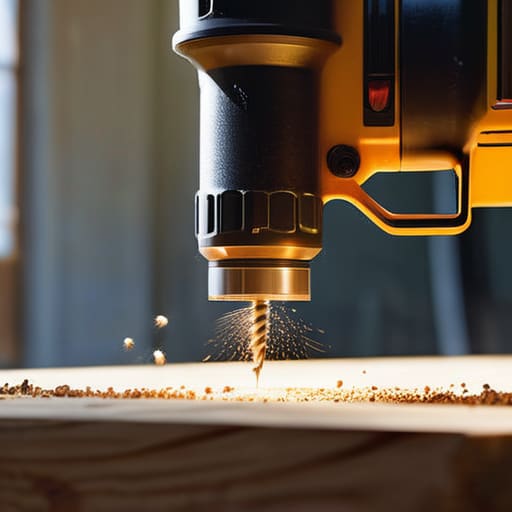
We often fall into the trap of thinking “portable” automatically means “better” for our workflow, but that’s a dangerous assumption. In my experience, the most efficient tool isn’t the one that’s easiest to carry; it’s the one that doesn’t force you to stop and rethink your process halfway through a task. When you’re deep in a project, momentum is your most valuable asset, and nothing kills it faster than a tool that can’t keep up with your intent.
Cordless drills offer that immediate, “grab-and-go” satisfaction, which is great for quick fixes or working in tight corners. However, they come with the invisible tax of battery management—the constant mental check of is this going to die on me? Corded drills, on the other hand, lack that freedom, but they provide a consistent, uninterrupted stream of power that eliminates the anxiety of a fading charge.
If your workflow involves heavy, repetitive tasks where you can’t afford a dip in torque, the corded model is the superior choice. For this specific category, corded wins on reliability, even if it loses on sheer convenience.
Unpacking Cordless Drill Battery Life and Corded Drill Power Output
Here is the breakdown of the power vs. endurance dilemma.
If you’ve ever been mid-way through a project only to have your drill die right as you’re hitting a tough knot in some reclaimed oak, you know this isn’t just a technicality. It’s a workflow killer. Choosing between battery life and raw power isn’t about specs on a box; it’s about deciding whether you’d rather manage a charging cycle or manage your frustration when a tool stalls.
Cordless drills have come a long way, but they are still tethered to the reality of chemistry. You’ll spend a significant portion of your mental energy monitoring your charge levels, especially if you’re using older NiCd packs or even mid-range Lithium-ion. There is a constant, subtle tax on your focus as you calculate if you have enough juice to finish the task.
Corded drills, on the other hand, offer a level of consistency that cordless tech simply cannot touch. You get a constant, unwavering stream of torque that doesn’t sag as the “tank” runs low. There is no downtime, no waiting for a charger, and no sudden loss of momentum.
The Verdict: If you want uninterrupted, heavy-duty performance, corded wins every single time.
Choosing the Tool, Not the Hype
At the end of the day, there is no “superior” drill—there is only the tool that fits your specific project requirements without creating more friction. If you are constantly moving around a job site or working in tight corners, the freedom of a cordless model is worth the investment in extra batteries. However, if you are setting up a dedicated workbench and need consistent, unrelenting torque for heavy-duty tasks, don’t let the trendiness of battery tech talk you out of the raw reliability of a corded model. Stop trying to make one tool do everything; instead, build a toolkit that matches your actual workflow rather than your idealized version of it.
We often get caught up in the pursuit of the “latest and greatest,” thinking a new piece of gear will somehow solve our lack of progress. It won’t. Whether you choose the portability of cordless or the steady power of corded, the real goal is to get the job done so you can step away from the workbench and enjoy your life. Focus on the utility of the tool and the quality of the work it produces. Once you stop obsessing over the specs and start focusing on the system, you’ll find that productivity becomes much quieter and a lot more meaningful.
