
I spent years watching high-performing teams drown in “knowledge management” tools—expensive software, endless Notion databases, and color-coded digital notebooks that looked beautiful but served absolutely no purpose. We’ve been sold this lie that if we just organize our information perfectly, we’ll magically become smarter. It’s a distraction. Most people aren’t suffering from a lack of data; they’re suffering from a lack of retrieval. They spend hours highlighting text and rereading notes, thinking they’re learning, when they’re really just practicing passive recognition. If you want to actually own what you learn, you have to stop being a collector and start using active recall.
I’m not here to sell you a new app or a complex productivity framework that requires a weekend seminar to master. My goal is to strip away the digital noise and show you how to build a system that actually sticks. I’ll walk you through the raw, sometimes uncomfortable reality of testing your own brain, because that’s the only way to move information from a page into your long-term memory. We’re going to focus on functional efficiency—learning how to work with your biology instead of fighting against it.
Table of Contents
- The Cognitive Science of Learning Over Productivity Apps
- Why Retrieval Practice Techniques Beat Passive Reading
- Five Ways to Stop Passive Reviewing and Start Actually Learning
- Cut the Fluff: What Actually Moves the Needle
- ## The High Cost of Passive Learning
- Stop Searching, Start Retrieving
- Frequently Asked Questions
The Cognitive Science of Learning Over Productivity Apps

We’ve been conditioned to think that “learning” looks like highlighting a textbook or re-watching a lecture for the third time. It feels productive because it’s comfortable, but it’s a lie. In reality, that’s just passive consumption. If you want to actually own a piece of information, you have to lean into the friction. This is where the cognitive science of learning separates the professionals from the hobbyists. Real growth happens when you force your brain to work for the answer, rather than just letting the answer wash over you.
The magic lies in the testing effect in education. When you struggle to pull a fact from your memory, you aren’t just checking what you know; you are physically strengthening the neural pathways required to find that information again later. Most people spend their time optimizing their digital workspace or color-coding their Notion boards, but they ignore the biological hardware running the show. Stop trying to build a better digital filing cabinet and start focusing on improving long-term memory retention through actual mental effort. Tools are secondary; the way you engage your brain is the only system that actually scales.
Why Retrieval Practice Techniques Beat Passive Reading
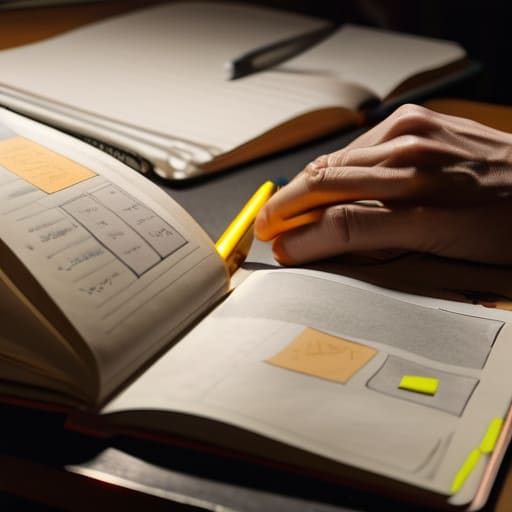
Most people treat learning like a spectator sport. You sit there, highlighting sentences in neon yellow and rereading chapters until your eyes glaze over, convinced that because the information looks familiar, you actually know it. That’s an illusion. Passive reading is just a way to feel busy without actually doing the work. It creates a false sense of mastery that evaporates the second you’re asked to apply that knowledge in a real-world setting.
If you want to actually move the needle, you have to embrace the friction. This is where retrieval practice techniques come into play. Instead of feeding your brain more input, you need to force it to output. When you struggle to pull a concept from your memory, you aren’t failing; you’re actually strengthening the neural pathways required for improving long-term memory retention. It’s uncomfortable, sure, but that discomfort is the signal that real learning is happening. Stop treating your brain like a storage unit and start treating it like a muscle that needs to be taxed to grow.
Five Ways to Stop Passive Reviewing and Start Actually Learning
- Close the book and talk to the wall. Once you finish a chapter or a meeting summary, don’t just flip back to the start. Close the notebook, look at a blank wall, and try to explain the core concept out loud as if you were teaching a junior consultant. If you stumble, that’s your signal that you haven’t actually mastered the material yet.
- Build a “Question Bank” instead of a “Note Bank.” Most people write down facts; I want you to write down questions. Instead of writing “The deadline is Friday,” write “When is the project deadline?” When you review later, you aren’t reading—you’re answering. It turns a passive stroll through your notes into a focused mental workout.
- Use flashcards for the heavy lifting, but keep them lean. Don’t cram entire paragraphs onto a card. One concept, one question. If you use an app like Anki, fine, but if you’re a tactile person like me, a physical index card works just as well. The goal is a quick, sharp burst of retrieval, not a long-winded reading session.
- Embrace the discomfort of being wrong. This is where most people quit. When you try to recall something and fail, it feels inefficient. It feels like you’re wasting time. It’s not. That “mental friction” is exactly where the learning happens. The struggle to remember is what signals your brain to prioritize that information.
- Schedule your reviews, don’t just “fit them in.” If you wait until you “feel” like studying, you’ll default to passive reading because it’s easier. Set a recurring block in your calendar specifically for retrieval practice. Treat it like a high-priority client meeting—non-negotiable and focused on output, not just input.
Cut the Fluff: What Actually Moves the Needle
Stop treating rereading as “studying.” If you aren’t forcing your brain to struggle to find the answer, you aren’t actually learning; you’re just getting comfortable with the illusion of competence.
Your goal isn’t to build a perfect digital archive of notes. It’s to build a retrieval system. A note is useless if you can’t pull the information out of your head when the pressure is on.
Prioritize friction over flow. While every app promises “seamless integration,” real learning requires the healthy friction of testing yourself. Embrace the mental strain—that’s where the actual growth happens.
## The High Cost of Passive Learning
“We’ve become addicted to the illusion of competence—the feeling that because we’ve highlighted a paragraph or re-read a page, we’ve actually mastered it. But if you can’t pull that information out of your head without looking at your notes, you haven’t learned it; you’ve just become familiar with it. Stop decorating your notes and start testing your memory.”
Emmett Kowalski
Stop Searching, Start Retrieving

At the end of the day, your brain isn’t a hard drive meant for storing endless PDFs and highlighted textbooks; it’s a muscle that requires resistance to grow. We’ve spent too much time trying to optimize our “input” through fancy note-taking apps and color-coded systems, when we should have been focusing on the output. Active recall isn’t some trendy study hack; it is the fundamental shift from passive consumption to intentional retrieval. If you aren’t making your brain work to pull that information back to the surface, you aren’t actually learning—you’re just getting comfortable with the illusion of competence.
My advice is simple: put the highlighter down and close the app. It’s going to feel harder, and frankly, it’s going to feel a lot more frustrating at first. That friction is exactly where the growth happens. Don’t let the pursuit of a “perfect” digital workflow distract you from the messy, difficult work of actually mastering your craft. Focus on the systems that yield results, not the ones that look pretty on a screen. Build the habit of testing yourself, embrace the struggle, and make space for mastery instead of just more noise.
Frequently Asked Questions
How do I actually do this without feeling like I'm just staring at a blank wall for an hour?
That “blank wall” feeling is just your brain resisting the friction of actual work. To fix it, stop trying to recall everything at once. Start small: after reading a page, close the book and write down just three bullet points from memory. Or, use a “low-stakes” method like flashcards or explaining a concept out loud to an empty room. The goal isn’t perfection; it’s just forcing the retrieval. Friction is where the learning happens.
If I'm using active recall, do I still need to spend time making pretty, organized notes?
Honestly? No. If you’re spending hours color-coding your Notion pages or perfecting your calligraphy, you’re not studying—you’re procrastinating. It’s “productive procrastination,” and it’s a trap. Pretty notes feel like work, but they don’t build neural pathways. Use your notes as a quick reference or a scaffold for testing yourself, but don’t mistake aesthetic organization for actual comprehension. If the notes don’t help you retrieve the information, they’re just digital clutter.
How often should I be testing myself so I don't burn out or lose the information?
Don’t turn this into a marathon. If you try to test yourself on everything every single day, you’ll burn out before the week is over. I suggest a “spaced repetition” approach: test yourself shortly after learning, then again a few days later, then once a week. It’s about finding that sweet spot where you’re slightly challenged but not drowning. Consistency beats intensity every time. Build a rhythm, not a grind.
