Category: Guides

  • How Body Doubling Helps Focus

    How Body Doubling Helps Focus

    I spent most of my twenties in high-pressure logistics environments, where “efficiency” was often treated like a religious dogma. I’ve seen it all: the $50-a-month task managers, the complex color-coded calendars, and the endless pursuit of the perfect digital ecosystem. But here’s the truth most productivity gurus won’t tell you: none of those shiny tools can fix a fundamental lack of momentum. When I was struggling to overhaul a massive workflow for a client last year, I didn’t need a new app; I needed someone else in the room. That’s the reality of body doubling. It isn’t some mystical psychological breakthrough or a trendy Silicon Valley hack; it is a simple, human way to anchor your focus when your brain wants to drift.

    I’m not here to sell you on a lifestyle overhaul or a complicated new ritual. My goal is to strip away the fluff and show you how to use body doubling as a functional tool to reclaim your time. I’ll share exactly how I implement this in my own consultancy and how you can use it to stop spinning your wheels. We’re going to focus on systems that actually work, so you can finally clear the mental clutter and get back to the work that actually matters.

    Table of Contents

    Mastering Executive Dysfunction Coping Mechanisms

    Mastering Executive Dysfunction Coping Mechanisms strategies.

    When you’re staring at a mounting pile of tasks and your brain simply refuses to engage, you aren’t lazy; you’re likely dealing with a breakdown in your brain’s ability to initiate action. This is where executive dysfunction coping mechanisms move from being “nice-to-have” to absolutely essential. Instead of white-knuckling your way through a task, try leaning into parallel play for adults. It sounds a bit whimsical, but the concept is grounded in reality: just being in the presence of another person who is also working can provide the quiet external structure your brain needs to stay on track.

    If you don’t have a colleague or a friend nearby, don’t let that stop you. I’ve seen incredible results from people joining virtual co-working sessions to bridge that gap. There is a specific kind of magic in knowing someone else is also “in the trenches” with you, even if they are just a face on a screen. It provides a gentle layer of social facilitation that keeps you from drifting into a three-hour scrolling spiral. It’s not about being watched; it’s about creating a shared environment of focus that makes the heavy lifting feel a little less lonely.

    The Power of Social Facilitation in Work

    The Power of Social Facilitation in Work.

    There is a psychological phenomenon at play here that goes much deeper than just “having a friend nearby.” It’s called social facilitation in work, and it’s essentially the science of how the mere presence of others can sharpen our focus. When I’m working solo on a complex logistics overhaul, it’s easy to drift into a rabbit hole of meaningless tabs. But when I’m in a shared space—even if we aren’t speaking—there is a subtle, stabilizing pressure that keeps me anchored to my primary task. It’s not about being watched; it’s about the shared energy of a productive environment.

    For those of us navigating remote work, this can feel like a lost art. We’ve traded the hum of a busy office for the silence of a home office, which is often where focus goes to die. You don’t need a formal meeting to fix this; instead, look into virtual co-working sessions or finding a remote accountability partner. It’s a modern take on parallel play for adults, where the goal isn’t collaboration, but simply existing in a productive rhythm alongside someone else. It turns a solitary struggle into a shared momentum.

    How to actually make body doubling work without the fluff

    • Stop looking for a perfect partner. You don’t need a high-level coach; you just need someone who is also working. A friend on a silent FaceTime call or even a stranger in a quiet coffee shop provides the same grounding effect.
    • Set a clear “exit strategy” before you start. Body doubling works best when it’s a contained sprint, not an endless social commitment. Decide upfront: “We’re doing 50 minutes of deep work, then we’re checking in.”
    • Use digital co-working spaces if your schedule is tight. If you can’t find a person in real life, platforms like Focusmate or even a dedicated “work with me” stream on YouTube can bridge the gap when you’re feeling isolated.
    • Don’t mistake “being together” for “working together.” This isn’t a brainstorming session or a meeting. The goal is parallel play—you both focus on your own separate tasks in each other’s presence. If you start chatting, the system breaks.
    • Match the task to the energy. If you’re tackling something heavy like taxes or a complex report, find a partner who is also in “deep work” mode. If you’re just clearing out emails, a more casual, low-stakes environment is fine.

    The Bottom Line

    Stop hunting for the perfect productivity app; body doubling is a human-centric system that solves the problem of getting started without adding more digital clutter.

    Use body doubling as a tactical tool for executive dysfunction, not a crutch, by pairing up with someone specifically when you know your focus is likely to slip.

    Focus on the presence, not the conversation—the goal is shared accountability and a steady environment, not a social hour that distracts from the work at hand.

    Systems Over Software

    We spend so much time hunting for the perfect app to fix our focus, but sometimes the most effective productivity tool isn’t digital at all—it’s just another human being sitting in the room with you.

    Emmett Kowalski

    Cutting Through the Noise

    Cutting Through the Noise with Body Doubling

    At the end of the day, body doubling isn’t some magical productivity hack or a band-aid for a broken system; it is a practical way to leverage our natural social instincts to bypass executive dysfunction. We’ve talked about how it manages the mental load, how it utilizes social facilitation to keep you grounded, and how it provides that essential external anchor when your own internal focus feels scattered. You don’t need a complex subscription service or a new digital dashboard to make this work. You just need presence—whether that’s a friend on a video call or someone sitting quietly in the same room while you tackle your inbox. It’s about reducing friction by simply not working in total isolation.

    My advice? Stop waiting for the perfect moment of clarity or the “right” app to fix your workflow. Clarity rarely comes from a better software interface; it comes from taking the first, messy step. Use body doubling as a tool to build momentum, not as a way to hide from the work itself. Once you stop fighting your brain and start working with its need for connection, you’ll find that the tasks which once felt insurmountable suddenly become manageable. Focus on the system, keep your setup simple, and make space for the work that actually matters.

    Frequently Asked Questions

    How do I find a reliable body doubling partner if I don't have a built-in support system or a workspace full of colleagues?

    You don’t need a crowded office to make this work. If your immediate circle isn’t your “work tribe,” look toward digital spaces designed for focus. Platforms like Focusmate or Flown pair you with strangers for timed sessions—it’s professional, low-stakes, and removes the social anxiety of asking a friend for help. Alternatively, join a quiet Discord server or even a focused YouTube livestream. The goal isn’t making new best friends; it’s just finding a presence to anchor you.

    Is there a way to do this virtually without it turning into a distracting social hangout or a video call that drains my energy?

    You don’t need a full-blown Zoom happy hour to make this work. That’s just more digital noise. Try a “silent co-working” session. Use a platform like Focusmate or even just a shared Google Doc where you both list your single most important task. Keep cameras on if you must, but keep the mics muted. The goal isn’t conversation; it’s the quiet, shared accountability of knowing someone else is also in the trenches.

    How do I know if I'm actually being productive during a session, or if I'm just performing "work" to satisfy the presence of someone else?

    It’s easy to fall into “performative productivity”—the feeling that you’re working just because someone is watching. To tell the difference, look at your output, not your activity. If you’ve spent an hour rearranging your desktop icons or color-coding a calendar while your partner sits nearby, you’re performing. Real productivity is measured by progress on your actual priority list. If the needle hasn’t moved on your core task, you’re just enjoying the company.

  • Using Breathing to Improve Focus

    Using Breathing to Improve Focus

    I was sitting at my drafting table last Tuesday, surrounded by half-stripped teak and the smell of linseed oil, when I realized I hadn’t actually taken a full breath in three hours. My mind was racing through a chaotic backlog of client workflows, and my chest felt like it was being tightened by a heavy-duty ratchet strap. We’ve been sold this lie that mindfulness requires a $150 yoga mat or a subscription to a meditation app that pings you every ten minutes. It’s nonsense. Real deep breathing isn’t about finding a zen sanctuary; it’s about the unfiltered, gritty necessity of reclaiming your nervous system when your workload is trying to swallow you whole.

    I’m not here to sell you on a spiritual awakening or some vague sense of cosmic peace. I want to give you a functional toolkit for when the digital noise gets too loud and your focus starts to fracture. I’m going to share the exact, no-frills techniques I use to reset my brain mid-crisis so I can get back to work without the mental fog. We are going to strip away the fluff and focus on the only thing that matters: making sure your breath serves your productivity, rather than becoming another chore on your to-do list.

    Table of Contents

    Mastering Diaphragmatic Breathing Techniques for Real Results

    Mastering Diaphragmatic Breathing Techniques for Real Results

    Most people approach breathwork like they approach a new software rollout: they go in too fast, skip the setup, and wonder why they aren’t seeing results. If you’re just taking shallow sips of air into your upper chest, you aren’t actually doing anything. To get the physiological shift you need, you have to focus on diaphragmatic breathing techniques that actually engage the muscle at the base of your lungs. I like to think of it as optimizing your internal hardware; if the foundation is shaky, the whole system crashes.

    When you intentionally expand your belly rather than your shoulders, you trigger parasympathetic nervous system activation. This isn’t just some “woo-woo” concept; it’s a mechanical override that tells your brain the immediate crisis is over. If you’re feeling particularly scattered during a high-stakes workday, I suggest trying box breathing for anxiety. It’s a simple, rhythmic pattern—inhale, hold, exhale, hold—that acts like a manual reset for your cognitive load. It’s not about finding more time; it’s about stabilizing the vessel so you can actually use the time you have.

    Box Breathing for Anxiety and Immediate System Reset

    Box Breathing for Anxiety and Immediate System Reset

    If you’re in the middle of a high-stakes meeting or staring down a mounting pile of unread emails and feel that familiar tightness in your chest, you don’t need a meditation retreat; you need a circuit breaker. This is where box breathing for anxiety becomes your most reliable tool. It’s a tactical method used by everyone from elite athletes to Navy SEALs because it works on a physiological level, not just a psychological one. By following a rhythmic pattern—inhale for four, hold for four, exhale for four, hold for four—you are essentially forcing your body to exit the “fight or flight” loop.

    The magic here isn’t in the counting; it’s in the parasympathetic nervous system activation that occurs when you regulate your CO2 levels. This isn’t about finding Zen; it’s about vagus nerve stimulation to manually override your stress response. When I feel my focus fracturing under a heavy workload, I use this to reset my internal operating system. It’s a quick, invisible way to regain control without needing to step away from your desk or close your eyes.

    Stop Overcomplicating It: 5 Ways to Actually Use Your Breath

    • Ditch the apps. You don’t need a subscription to find your center; your lungs are the only hardware you need to manage your stress levels.
    • Anchor it to a habit. Don’t wait for a panic attack to try breathing exercises. Do three deep cycles every time you sit down at your desk or before you open your inbox.
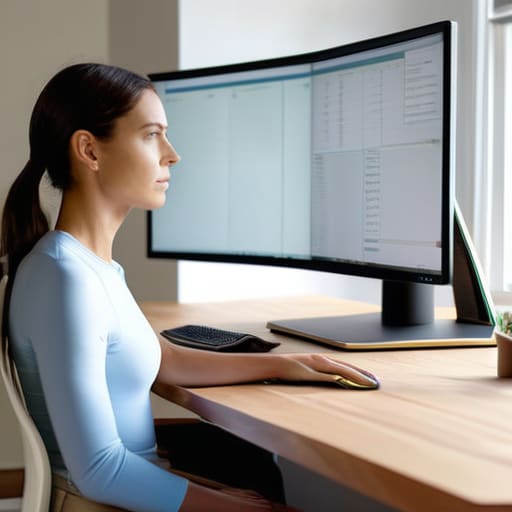
    • Watch your posture. If you’re slumped over your laptop like a question mark, you’re physically choking your ability to take a full breath. Sit up, open your chest, and let the air move.
    • Focus on the exhale. Most people focus on the inhale, but the exhale is where the nervous system actually finds its reset. Make your out-breath longer than your in-breath to signal to your brain that you’re safe.
    • Keep it discreet. You don’t need to go into a yoga pose in the middle of a high-stakes meeting. Subtle, diaphragmatic breathing can be done right under everyone’s noses without breaking your professional flow.

    Cut the Noise and Breathe

    Stop looking for a complex app to manage your stress; the most effective tool you own is your own breath, and it’s always available.

    Don’t wait for a crisis to practice; integrate short, tactical breathing sessions into your existing workflow to prevent burnout before it hits.

    Focus on the mechanics, not the ritual—mastering the physical act of diaphragmatic breathing is what actually resets your nervous system when things get chaotic.

    The Ultimate Low-Tech Tool

    We spend hundreds of dollars on productivity apps and wearable tech to manage our stress, but we ignore the most effective system we already own. Deep breathing isn’t some mystical wellness trend; it’s a manual override for your nervous system that costs nothing and requires zero setup.

    Emmett Kowalski

    Cutting Through the Noise

    Cutting Through the Noise with breathing techniques.

    Look, we’ve covered a lot of ground, from the mechanics of diaphragmatic breathing to the structured reset of box breathing. The takeaway isn’t that you need to become a meditation expert or buy a subscription to a mindfulness app. It’s about recognizing that your breath is the most fundamental, underutilized tool in your professional toolkit. Whether you’re using it to stabilize your nervous system before a high-stakes meeting or simply to clear the mental fog during a long afternoon of deep work, these techniques are about reclaiming control over your own physiological response to stress. You don’t need more complexity; you just need to use what you already have.

    At the end of the day, my goal for you isn’t just to breathe better, but to live with more intention. We spend so much of our lives reacting—to emails, to notifications, to the constant demands of a digital world that never sleeps. Deep breathing is your way of hitting the pause button and deciding that you are the one in charge of your workflow, not your anxiety. Stop searching for the next productivity hack and start focusing on the foundational systems that keep you grounded. Take a breath, clear the clutter, and get back to what actually matters.

    Frequently Asked Questions

    How do I know if I'm actually breathing from my diaphragm or just shallowly using my chest?

    The easiest way to tell is the “one-hand test.” Place one hand on your chest and the other on your belly, just below your ribs. If you’re breathing shallowly, you’ll feel your chest rising and your top hand moving. If you’re actually using your diaphragm, your belly should push your bottom hand outward with every inhale. If your chest is doing all the heavy lifting, you’re just wasting energy.

    Can I use these techniques during a high-stakes meeting without looking weird to my colleagues?

    The short answer is yes, but skip the obvious stuff. If you’re sitting there with your eyes closed taking massive, theatrical gulps of air, people will notice. Instead, lean into subtle diaphragmatic breathing. It’s almost invisible—just a slight expansion of your lower ribs rather than your chest. Keep your posture steady, focus on a slow exhale through your nose, and keep your eyes on the speaker. It’s a private reset, not a public performance.

    Is there a point where I'm overdoing it and actually making myself feel lightheaded?

    Yes, there is. If you’re feeling lightheaded, you’ve likely overshot the mark by hyperventilating or breathing too deeply too quickly. You’re essentially blowing off too much CO2, which disrupts the balance your body needs to stay steady. Listen to your body, not just the technique. If you feel dizzy, stop, return to your natural rhythm, and dial it back. Breathing should ground you, not make you feel like you’re floating away.

  • Creating a Productive Morning Startup

    Creating a Productive Morning Startup

    I’m tired of seeing “productivity gurus” sell you a twelve-step morning ritual that requires a $500 sunrise lamp, a meditation app subscription, and a gallon of expensive green juice just to get your brain online. It’s exhausting, and frankly, it’s a distraction. Most of these highly choreographed routines aren’t designed to help you work; they’re designed to keep you performing productivity rather than actually being productive. We’ve turned the first hour of the day into a high-stakes obstacle course of digital noise and expensive gadgets, when the goal of morning rituals should be the exact opposite: creating a sense of calm and control before the world starts demanding things from you.

    I’m not here to give you a checklist of trendy habits that will fall apart the moment your kid wakes up early or your inbox explodes. Instead, I want to talk about building functional systems that actually stick. I’m going to share the lean, no-nonsense frameworks I use to protect my mental bandwidth, focusing on the small, repeatable actions that actually move the needle. We aren’t chasing perfection here; we are building space to breathe so you can show up to your work with intention rather than just reacting to the chaos.

    Table of Contents

    Optimizing Circadian Rhythm Without the Digital Noise

    Optimizing Circadian Rhythm Without the Digital Noise

    We need to talk about the biological reality of your workday. Most people think a high-performance morning routine starts with a complex checklist of tasks, but it actually starts with light and temperature. If you spend your first hour squinting at a blue-light-emitting screen, you’re essentially lying to your brain about what time it is. You aren’t being “productive” by checking emails in bed; you are actively sabotaging your optimizing circadian rhythm process before the day has even begun.

    Instead of chasing the next dopamine hit from a notification, try a more tactile approach. I’ve found that simple, analog movements—like stepping outside for five minutes of natural light or even just sitting by a window—do more for cognitive function enhancement than any $50 productivity app ever could. It’s about signaling to your nervous system that it is time to wake up. Stop trying to hack your brain with digital stimulants and start working with your biology. When you align your internal clock with the natural world, the “work” part of your day becomes significantly easier to manage.

    Entrepreneurial Daily Habits That Actually Scale

    Entrepreneurial Daily Habits That Actually Scale

    If you’re building a business, your most valuable asset isn’t your capital or your tech stack—it’s your ability to make high-stakes decisions without mental fatigue. Most people mistake “hustle” for productivity, but true entrepreneurial daily habits aren’t about doing more; they are about protecting your capacity to think. I’ve seen too many founders burn out by the time they hit their inbox because they spent their most potent hours reacting to everyone else’s priorities.

    Instead of chasing a performative, Instagram-ready morning, focus on deep work preparation. This means carving out a window where you tackle your most complex strategic problem before the digital world starts screaming for your attention. It isn’t about a complex 12-step checklist; it’s about creating a predictable environment that supports cognitive function enhancement. When you stabilize your start, you stop managing chaos and start managing growth. Stop trying to optimize for the sake of optimization and start building a rhythm that actually scales with your ambition.

    Five Ways to Build a Morning That Actually Works

    • Stop the “App Hop” before you even get out of bed. I see people spending twenty minutes scrolling through productivity trackers or news feeds before they’ve even had coffee. It’s digital clutter. If you haven’t touched your phone by the time you’ve finished your first glass of water, you’ve already won the first battle of the day.
    • Prioritize decision fatigue by prepping the night before. My workflow philosophy is simple: don’t waste your peak cognitive energy on trivialities. Lay out your clothes, prep your workspace, and write down your top three objectives before you go to sleep. When you wake up, you shouldn’t be deciding what to do; you should be executing.
    • Use a “low-fidelity” start. You don’t need a smart ring or a bio-hacking dashboard to know if you’re rested. Grab a physical notebook and a pen—something tactile—and just jot down how you feel or what’s weighing on your mind. It clears the mental cache without the distraction of a screen.
    • Build in a “buffer zone” for the unexpected. A rigid, minute-by-minute schedule is a recipe for anxiety the moment a kid wakes up early or a delivery arrives. Design your ritual with built-in flexibility so that a ten-minute delay doesn’t feel like a total system failure.
    • Focus on one meaningful movement, not a marathon. You don’t need a grueling hour-long HIIT session to wake up your nervous system. Whether it’s five minutes of stretching or a quick walk around the block, find a single, repeatable physical action that signals to your brain that the workday has begun.

    The Bottom Line: Systems Over Shiny Objects

    Stop looking for a “magic” app to fix your morning; real productivity comes from predictable, low-friction habits that don’t require a software subscription to maintain.

    Protect your biological baseline by prioritizing light exposure and consistent sleep cycles before you ever touch a screen or a task list.

    Build your rituals around energy management, not just time management—work with your natural rhythms rather than trying to brute-force your way through a slump.

    ## The Myth of the Perfect Routine

    “A morning ritual shouldn’t be another item on your to-do list to manage; it should be the quiet buffer that protects your focus before the rest of the world starts demanding your attention.”

    Emmett Kowalski

    Stop Chasing Perfection and Start Building Systems

    Stop Chasing Perfection and Start Building Systems

    At the end of the day, a morning ritual isn’t about checking off a dozen complex tasks or mastering your circadian rhythm through some expensive biohacking gadget. It’s about creating a predictable, low-friction buffer between your sleep and the relentless demands of your inbox. We’ve talked about aligning with your natural biology and building habits that actually scale, but the common thread is the same: strip away the digital clutter. If your “ritual” requires five different apps and a subscription to a meditation platform just to get started, you haven’t built a system; you’ve built another chore. Focus on the foundational movements—light, hydration, and a moment of quiet—that allow you to enter your workday with intention rather than reaction.

    I spent years watching professionals burn out trying to optimize every single minute of their existence, only to realize they were running on a treadmill that never stopped. Real productivity isn’t about squeezing more juice out of your morning; it’s about ensuring you have enough juice left for the work that actually matters. Don’t let the pursuit of the “perfect” routine become the very thing that exhausts you. Pick one or two simple, sustainable anchors, and let them serve you. Remember, the goal isn’t to win the morning; it’s to reclaim your mental agency so you can show up as the person you actually want to be.

    Frequently Asked Questions

    How do I stick to a morning routine when my work schedule is constantly shifting or unpredictable?

    Stop trying to build a rigid, hour-by-hour schedule. If your life is unpredictable, a fixed routine is just a recipe for feeling like a failure by 9:00 AM. Instead, build a “modular” routine. Pick three non-negotiable micro-habits—maybe five minutes of stretching, a glass of water, and one page of reading—that you can execute in ten minutes or sixty. Focus on the sequence, not the clock. Systems thrive on flexibility, not rigidity.

    At what point does a morning ritual stop being productive and start becoming just another chore on my to-do list?

    It stops being productive the moment you start checking boxes just to feel a sense of completion. If you’re staring at your meditation timer or your habit tracker with a sense of dread or obligation, you’ve turned a restorative practice into unpaid labor. A ritual should be a buffer against the chaos, not another item demanding your cognitive energy. If it feels like work, strip it back. Simplify until it feels like breathing again.

    Do I actually need a complex sequence of events, or can a functional morning be built around just one or two core habits?

    Look, if you’re building a twenty-step ritual, you’re not creating a routine; you’re creating a second job. You don’t need a complex sequence to be effective. In my experience, a functional morning is built on anchors. Pick one habit for your body—like hydration or light exposure—and one for your mind—like deep work or silence. If those two are solid, the rest of the day usually takes care of itself. Keep it simple.

  • Methods for Prioritizing Tasks

    Methods for Prioritizing Tasks

    I was sitting in a glass-walled conference room five years ago, staring at a project manager who was frantically toggling between three different productivity apps, trying to figure out which “urgent” task to tackle first. It was a perfect, exhausting snapshot of modern professional life: we aren’t actually working; we’re just managing the appearance of work. We’ve been sold this lie that if we just find the perfect, shiny new software, our chaos will vanish. But let’s be clear: no app is going to save you if you don’t actually understand prioritization methods. Most of the “hacks” you see online are just more digital noise designed to keep you clicking, not keep you focused.

    I’m not here to sell you a subscription or a complex new ritual. My goal is to strip away the fluff and give you the functional frameworks I’ve used to manage complex logistics and streamline operations for decades. I’m going to walk you through a few battle-tested prioritization methods that actually work in the real world, regardless of what tool you use. We’re going to focus on building systems that reduce your mental load and, ultimately, make space for what matters most.

    Table of Contents

    The Eisenhower Matrix Explained Filtering Out the Static

    The Eisenhower Matrix Explained Filtering Out the Static

    I’ve seen so many clients get paralyzed by a massive, undifferentiated to-do list. They treat every notification like a fire that needs extinguishing, which is a fast track to burnout. This is where the Eisenhower Matrix explained in its simplest form becomes your best friend. It’s not about doing more; it’s about deciding what not to do. You take your tasks and sort them into four quadrants based on two criteria: urgency and importance.

    The magic happens when you stop confusing “urgent” with “important.” Most of the digital noise we deal with—that pinging Slack message or the non-essential email—falls into the urgent/not-important trap. By using this as one of your core decision making frameworks, you can finally isolate the tasks that actually move the needle. I always tell my clients: if it’s not important and not urgent, it doesn’t belong on your desk. It belongs in the trash. You need to protect your focus by ruthlessly delegating or deleting the static so you can actually show up for the work that requires your brain.

    Managing Daily Tasks Effectively Without the App Fatigue

    Managing Daily Tasks Effectively Without the App Fatigue

    The problem isn’t that you lack a sophisticated digital planner; it’s that you’re likely using one to manage chaos rather than to create order. We’ve all been there—scrolling through endless task lists, color-coding categories that don’t actually move the needle, and feeling more exhausted by the tool than the work itself. To truly master managing daily tasks effectively, you have to stop treating your to-do list like a graveyard for every random thought that enters your brain.

    Instead of hunting for the next shiny productivity app, I recommend looking toward tried-and-true decision making frameworks that don’t require a subscription. I’m a big proponent of the ABCDE method productivity approach. It’s dead simple: you assign a letter to every task based on its consequence. An ‘A’ task is something that must happen today or there are real repercussions; a ‘C’ task is just nice to do. When you strip away the digital bells and whistles, you realize that most of our “urgent” notifications are just noise. Focus on the letters that actually drive your progress, and let the rest sit in the background.

    Five Ways to Stop Reacting and Start Deciding

    • Stop treating your inbox like a to-do list. An email is a request, not a command. If you let every notification dictate your next move, you aren’t working; you’re just reacting to other people’s agendas.
    • Apply the Rule of Three. At the start of each day, pick three—and only three—outcomes that would make the day a success. Everything else is just a bonus. This keeps your focus from fragmenting.
    • Audit your “busy work.” We often hide in low-stakes tasks—organizing folders, color-coding calendars—to avoid the heavy lifting. If a task doesn’t move the needle on your core goals, it’s just sophisticated procrastination.
    • Build in buffer zones. A schedule packed back-to-back is a recipe for mental burnout. Real efficiency requires white space in your calendar to handle the inevitable fires without derailing your entire week.
    • Use a single source of truth. You don’t need three different project management tools. Pick one system—whether it’s a physical notebook or a simple digital list—and stick to it. Complexity is the enemy of execution.

    Cutting Through the Noise: My Bottom Line

    Stop looking for a “magic” app to solve your chaos; a simple, repeatable system you actually use is infinitely better than a complex tool you abandon after three days.

    Prioritization isn’t about doing more things; it’s about having the discipline to say no to the “urgent” distractions so you can protect the time required for what’s actually important.

    Build your workflow around your natural energy and cognitive load, not around a feature list in a software update.

    ## The Truth About Your To-Do List

    “A prioritization method isn’t a way to cram more tasks into your day; it’s a way to decide which tasks aren’t worth your energy in the first place.”

    Emmett Kowalski

    Finding Your Rhythm

    Finding Your Rhythm through simplified workflow systems.

    At the end of the day, whether you’re leaning on the Eisenhower Matrix to filter out the noise or keeping your daily tasks stripped down to the essentials, the goal remains the same: reclaiming your cognitive bandwidth. We’ve looked at how to categorize the urgent from the truly important and how to manage your workflow without falling into the trap of constant app-switching. Remember, these methods aren’t rigid laws you have to follow perfectly; they are simply frameworks designed to support you. The moment a system starts feeling like more work than the job itself, it’s time to strip it back and simplify. Systems should be invisible, working quietly in the background so you can actually do the work you were hired to do.

    Stop waiting for the perfect productivity setup to fall into your lap. It doesn’t exist. There is no magic software or flawless algorithm that will suddenly solve your chaos; there is only the consistent application of a few reliable principles. Pick one method, test it for a week, and see if it actually gives you breathing room. Real productivity isn’t about how many boxes you check or how many notifications you clear—it’s about making intentional space for the projects and people that actually move the needle. Now, put the tablet down, grab a pen, and just start.

    Frequently Asked Questions

    How do I actually distinguish between something that's "urgent" and something that's just loud and demanding my attention?

    Here’s the litmus test I use: Urgency is about consequences; loudness is just about volume. If you don’t do this task in the next hour, does a project stall, a client walk, or a deadline break? If the answer is no, it’s just “loud.” Someone’s urgent email or a pinging Slack channel is often just someone else’s lack of planning. Don’t mistake their noise for your priority. Stop reacting and start auditing.

    Is it possible to use these methods without feeling like I'm spending more time managing my list than actually doing the work?

    It is, and honestly, if you’re spending more time tweaking your system than actually working, your system is broken. I see this constantly in my consulting work. The fix is simple: ruthlessly limit your inputs. Don’t try to capture every fleeting thought in a complex database. Pick one method, set a timer for ten minutes once a day to review it, and then close the app. The system should be a tool, not a hobby.

    What do I do when my "important" tasks keep getting pushed aside by constant, unexpected fires at work?

    This is the classic “reactive trap,” and it’s where most systems go to die. When fires start jumping the queue, you need a buffer. I call it the “Firebreak Strategy.” Stop scheduling your day at 100% capacity. Leave a 20% “chaos block” in your afternoon specifically for these interruptions. If no fires break out, you use that time to get ahead on your important work. If they do, you aren’t already behind.

  • Selecting the Right Software for Writing Tasks

    Selecting the Right Software for Writing Tasks

    I spent the better part of last Tuesday staring at a blank screen, not because I lacked ideas, but because I was busy tweaking the aesthetic settings of a brand-new, $20-a-month productivity suite. I fell into the classic trap: I was “organizing” my thoughts instead of actually thinking them. We’ve been sold this lie that the right writing software is some magical, all-in-one ecosystem that will finally unlock our genius, when in reality, most of these tools are just digital clutter designed to keep you clicking rather than composing.

    I’m not here to give you a curated list of every shiny new app hitting the market this month. Instead, I want to help you strip away the noise and find the tools that actually get out of your way. I’m going to share my framework for selecting writing software based on functional simplicity and long-term reliability. We’re going to stop chasing the hype and start building workflows that actually leave you with more mental space to do the work that matters.

    Table of Contents

    The Best Distraction Free Writing Apps for Deep Work

    The Best Distraction Free Writing Apps for Deep Work.

    If you’re like me, you’ve probably spent more time tweaking your workspace than actually doing the work. We fall into this trap of thinking a more complex setup equals better output, but usually, it’s just more noise. When I’m tackling a heavy project, I look for the best distraction-free writing apps that strip everything back to the basics. I don’t need a sidebar full of icons or a notification bell; I need a blank screen and a cursor that stays out of my way.

    I tend to gravitate toward tools that prioritize markdown editor features because they allow me to format as I think, without ever breaking my flow to hunt through a menu. There is a specific kind of mental clarity that comes from a minimalist interface. It’s not about what the tool can do; it’s about what it doesn’t do. If an application starts asking for my permission to change a font or suggests a “productivity hack,” I close it. The goal is to create a digital environment that feels as quiet and intentional as a well-restored mid-century desk.

    Why Markdown Editor Features Actually Matter for Your Flow

    Why Markdown Editor Features Actually Matter for Your Flow

    I’ve seen too many people get bogged down in the “formatting trap”—spending forty minutes tweaking fonts and margins instead of actually finishing a sentence. This is where understanding specific markdown editor features becomes a game changer. Markdown isn’t just a technical quirk for programmers; it’s a way to keep your hands on the keyboard and your mind in the zone. When you use simple syntax to handle headers, lists, or italics, you eliminate the constant micro-decisions that break your concentration.

    The goal is to create a seamless bridge between your thoughts and the screen. By stripping away the visual clutter of a standard word processor, you allow your brain to focus on structure and substance. I always tell my clients that the best distraction-free writing apps aren’t the ones with the most buttons, but the ones that let you stay in a state of flow. When the tool stays out of your way, you stop fighting the interface and start actually doing the work. It’s about building a system where the technology supports your momentum rather than interrupting it.

    Stop Searching, Start Selecting: 5 Rules for Choosing Your Writing Stack

    • Prioritize friction over features. If an app requires a ten-minute setup or a steep learning curve just to type a single sentence, it’s not a tool—it’s an obstacle. Choose the software that lets you get from thought to page with the fewest possible clicks.
    • Audit your “feature bloat” regularly. We often mistake a long list of bells and whistles for productivity. In reality, a cluttered interface is just visual noise that pulls your focus away from the actual work. If you aren’t using a feature, it’s just clutter.
    • Ensure your data is portable. I’ve seen too many people get locked into a proprietary ecosystem, only to realize years later they can’t easily export their life’s work. Stick to formats like Markdown or plain text so you own your words, not the software company.
    • Match the tool to the task, not the trend. You don’t need a complex database engine to write a journal entry, and you shouldn’t be using a basic notepad to architect a technical manual. Use a lightweight tool for drafting and a robust system for organizing.
    • Respect your mental bandwidth. The goal of your writing software should be to lower your cognitive load, not increase it. If you find yourself spending more time “optimizing” your workspace than actually writing, stop. Close the settings menu and just start typing.

    Cutting Through the Noise: My Core Principles

    Stop letting software design dictate your process; choose a tool that stays out of your way so you can focus on the actual work.

    Prioritize features that support your cognitive flow, like Markdown support, rather than chasing a long list of flashy, distracting bells and whistles.

    Real productivity isn’t about finding the most powerful app—it’s about building a stable, repeatable system that reduces your mental load.

    ## The Tool Trap

    Most people spend more time configuring their writing environment than actually writing. If your software requires a manual just to get through a first draft, it isn’t a tool—it’s a distraction.

    Emmett Kowalski

    Stop Searching and Start Writing

    Stop Searching and Start Writing today.

    At the end of the day, we’ve covered a lot of ground—from the necessity of distraction-free environments to why a clean Markdown workflow can save your sanity. But if you walk away with only one thing, let it be this: the software you choose is secondary to the discipline of your process. You don’t need a feature-rich powerhouse that requires a manual to operate; you need a tool that stays out of your way so your ideas can breathe. Whether you opt for a minimalist text editor or a more robust structured system, the goal remains the same: reducing the friction between your thought and the page.

    I spent years watching professionals drown in “productivity theater,” spending more time tweaking their digital workspaces than actually producing work. Don’t fall into that trap. Pick a tool that feels right, set up your system, and then close the tabs. The most important part of your writing toolkit isn’t an app you download—it’s the clarity of mind you maintain when you finally stop chasing the next shiny update and start doing the work that actually matters. Now, put the screen away and go find your flow.

    Frequently Asked Questions

    How do I know if I’m actually being productive or just spending all my time tweaking my workspace settings?

    If you’re spending more time color-coding your tags or testing new fonts than actually putting words on the page, you aren’t working—you’re procrastinating with style. I call it “productive procrastination.” Here’s the litmus test: look at your output versus your setup time. If the ratio is skewed, your tools have become your task. Stop tinkering. If the tool works well enough to let you think, leave it alone and start writing.

    Is it worth the learning curve to switch to a Markdown-based system, or should I stick to what I know?

    Look, I’m a big believer in systems, but I’m also a realist. If your current setup isn’t broken, don’t fix it just because a new format is trending. However, if you find yourself constantly fighting with formatting or losing files to proprietary software, the switch is worth it. Markdown isn’t just a trend; it’s about future-proofing your work and removing the friction between your thoughts and the page. Learn it if you want freedom.

    How do I prevent my writing from getting lost in a dozen different apps and cloud services?

    The mistake most people make is treating every new idea like it needs its own ecosystem. You don’t need a specialized app for every thought; you need a single, reliable landing zone. Pick one robust system—whether it’s a folder-based Markdown setup or a single note-taking tool—and make it your source of truth. If it doesn’t live there, it doesn’t exist. Stop fragmenting your brain across a dozen cloud services.

  • Creating a Logical Digital Filing System

    Creating a Logical Digital Filing System

    I spent the better part of my twentieth year in logistics staring at a monitor, watching a mid-sized tech firm slowly drown in its own data because they thought a “fancy new software subscription” was a substitute for a coherent strategy. They were obsessed with the latest shiny tools, yet their digital filing was a chaotic graveyard of “Final_v2_UPDATED” documents and nested folders that led absolutely nowhere. It’s a cycle I see constantly: people spend more time managing the system than actually doing the work they were hired to do.

    I’m not here to sell you on a premium subscription or a complex hierarchy that requires a PhD to navigate. My goal is to help you strip away the digital noise and build a framework that actually serves your workflow. I’m going to show you how to implement a minimalist approach to your files—one that prioritizes retrieval speed and mental clarity over aesthetic perfection. Let’s stop chasing every new app and finally build a system that actually works.

    Table of Contents

    Why Document Management Systems Often Fail Your Workflow

    Why Document Management Systems Often Fail Your Workflow

    Most people approach document management systems like they’re buying a new piece of furniture: they look at the sleek design, pay the premium, and drag it into their office, only to realize it doesn’t actually fit the room. We fall into the trap of thinking a high-priced subscription will magically fix our chaos. In reality, most software fails because it adds more steps to an already bloated process. If you have to click through five sub-folders just to find a single invoice, the system isn’t helping you; it’s just another hurdle.

    The real culprit is usually a lack of foundational logic. You can have the most advanced cloud storage management in the world, but if you haven’t established strict file naming conventions, you’re just organizing your mess in a prettier way. I see it all the time in my consulting work: teams spending hours searching for “Final_v2_EDITED.pdf” because they treated their digital space like a junk drawer. Without a clear architecture, these tools become digital graveyards where information goes to die. True workflow optimization requires a system that respects your time, not one that demands you become its full-time caretaker.

    The Art of Intentional Cloud Storage Management

    The Art of Intentional Cloud Storage Management.

    Most people treat cloud storage like a digital junk drawer, tossing files into folders with the hope that they’ll somehow find their way to the surface when needed. That isn’t a system; it’s a gamble. True cloud storage management requires you to stop treating the cloud as an infinite abyss and start treating it like a curated workspace. If you wouldn’t leave a stack of loose papers on your physical desk, don’t do it to your Drive or Dropbox.

    The secret to making this stick is implementing strict file naming conventions that actually make sense to your future self. I’m talking about dates, project codes, and clear descriptors—no more “Final_v2_REVISED_actualfinal.pdf.” When you name things with intent, you eliminate the frantic searching that breaks your focus. This isn’t about being obsessive; it’s about workflow optimization. By spending ten minutes setting these guardrails now, you’re saving yourself hours of mental friction later. Real efficiency isn’t about how much you can store; it’s about how quickly you can retrieve what matters.

    Five Rules for a System That Doesn't Break

    • Stop the folder hoarding. If you find yourself nesting folders more than three levels deep, you’ve already lost the battle. Keep your architecture shallow so you can actually find what you need without a scavenger hunt.
    • Name files for your future self, not for today’s mood. Use a consistent YYYY-MM-DD format and descriptive keywords. “Final_v2_revised” is useless; “2024-05-12_Client_Project_Scope” is a lifesaver.
    • Establish a “Single Source of Truth.” Pick one primary location for active work and stick to it. When you start scattering files across Dropbox, Google Drive, and your desktop, you aren’t being productive—you’re just creating digital clutter.
    • Automate the mundane, but don’t over-engineer it. Use simple rules to move downloads to specific folders or to tag certain file types, but don’t spend three hours setting up a complex automation script for a task that takes ten seconds.
    • Schedule a monthly digital purge. Just like clearing off a physical desk, your digital space needs a reset. Delete the duplicates, archive the completed projects, and empty the trash. If it doesn’t serve your current workflow, it shouldn’t be cluttering your view.

    The Bottom Line for Your Digital Workspace

    Stop treating your cloud storage like a junk drawer; if a folder doesn’t have a specific, functional purpose in your daily workflow, it doesn’t belong in your system.

    Prioritize retrieval speed over perfect categorization—it’s better to have a searchable, slightly messy system than a perfectly organized one that takes twenty minutes to navigate.

    Audit your digital footprint quarterly to prune the clutter, ensuring your tools continue to serve your current needs rather than burying you in yesterday’s leftovers.

    The High Cost of Digital Clutter

    A filing system isn’t a place to dump your digital leftovers; it’s a roadmap for your future self. If you spend more time searching for a document than you do actually using it, your system isn’t working—you’re just working for your system.

    Emmett Kowalski

    Stop Managing Files and Start Building Systems

    Stop Managing Files and Start Building Systems.

    At the end of the day, a digital filing system isn’t about having the perfect folder structure or the most expensive subscription service; it’s about reducing the friction between your brain and your work. We’ve looked at why bloated document management systems fail and why intentional cloud storage is your best defense against digital chaos. If you focus on intentionality over automation and prioritize a structure that mirrors your actual thought process, you stop being a janitor for your own data. Remember, the goal isn’t to create a museum of perfectly labeled files, but to build a functional workspace where you can find exactly what you need without the mental tax of a frantic search.

    I know the temptation to download “one more app” is real, but I’m asking you to resist it. True efficiency doesn’t come from a new feature; it comes from the discipline of maintaining the systems you already have. When you stop chasing the latest productivity trend and start focusing on sustainable workflows, you reclaim something far more valuable than organized folders: you reclaim your headspace. Use your tools to clear the path, not to build a new maze. Build a system that serves your life, so you can finally get back to the work that actually matters.

    Frequently Asked Questions

    How do I decide which files stay on my local hard drive and which ones actually need to live in the cloud?

    Think of your local drive as your immediate workbench and the cloud as your long-term archive. If you’re touching a file every single day—the active project, the current budget, the draft you’re refining—keep it local for speed and zero latency. Everything else? Move it to the cloud. If it’s a reference document or a finished project, it doesn’t need to be cluttering your hard drive. Keep your workspace lean.

    At what point does a folder structure become too complex to actually be useful?

    You’ve hit the wall the moment you spend more time deciding where to put a file than actually working on it. If you’re clicking through five subfolders just to find a single invoice, your system isn’t an asset—it’s a tax on your brain. A structure is too complex when it requires a mental map to navigate. If you can’t find what you need in three clicks, strip it back. Simplicity beats precision every single time.

    How can I maintain a consistent filing system without it becoming a second full-time job?

    The secret is to stop treating organization as a grand project and start treating it as a micro-habit. If your system requires a massive “cleanup day” every month, it’s broken. Instead, build “maintenance checkpoints” into your existing workflow—five minutes at the end of each Friday to clear your desktop and move files to their permanent homes. If it takes more than ten seconds to decide where a file goes, your folder structure is too complex. Simplify it.

  • Incorporating Movement Into Your Sedentary Workday

    Incorporating Movement Into Your Sedentary Workday

    Stop wasting your money on $1,000 “smart” workstations that promise to revolutionize your life but really just add more clutter to your floor. I’ve seen it all in my years of consulting: people buying high-tech balance boards and motorized gadgets, thinking that a piece of expensive hardware will magically fix their focus. The truth is, most of these products are just distractions disguised as wellness. Real desk movement isn’t about owning the latest ergonomic gimmick; it’s about breaking the static trance of sitting still for eight hours straight.

    I’m not here to sell you on a lifestyle brand or a subscription-based wellness app. Instead, I’m going to give you the practical, stripped-back strategies I use to keep my own energy up without turning my office into a gym. We’re going to look at how to integrate subtle, functional shifts into your existing workflow so you can stop fighting your setup and start actually working. No fluff, no expensive gear required—just systems that work for your body and your brain.

    Table of Contents

    Ditch the Sedentary Lifestyle Solutions for Real Flow

    Ditch the Sedentary Lifestyle Solutions for Real Flow.

    We’ve been sold this idea that a perfect ergonomic workstation setup is a magic pill. You buy the $1,200 chair, the specialized footrest, and the monitor arms, thinking that if you just align your spine correctly, the fatigue will vanish. But here’s the reality: your body wasn’t designed to be perfectly still, no matter how expensive your gear is. Even the most expensive chair becomes a cage if you stay in it for eight hours straight.

    Instead of chasing the ultimate stationary setup, focus on integrating micro-movements during work. I’ve seen consultants spend thousands on gear only to end the day with a stiff neck because they treated their desk like a cockpit rather than a dynamic space. Real efficiency comes from breaking the stillness. It’s about intentional shifts—standing up for a call, stretching your hip flexors between deep-work sessions, or simply changing your posture every thirty minutes. Don’t get bogged down in the pursuit of a static “perfect” position; focus on movement that actually prevents you from feeling like a statue by 3:00 PM.

    Mastering Micro Movements During Work to Reclaim Focus

    Mastering Micro Movements During Work to Reclaim Focus

    The problem with most productivity advice is that it treats movement like a scheduled event—something you do for an hour at the gym or during a lunch break. But your body doesn’t work in blocks; it works in rhythms. If you wait until you’re aching to move, you’ve already lost the battle for focus. Instead of chasing grander sedentary lifestyle solutions, I want you to focus on micro-movements during work that act as small resets for your nervous system.

    I’m talking about the subtle stuff: a shoulder roll while reading an email, a quick calf stretch while waiting for a file to upload, or simply shifting your weight while standing. These aren’t meant to be intense workouts; they are tactical interventions designed for reducing muscle tension at work before it turns into a distraction. When you integrate these tiny shifts into your existing workflow, you stop fighting your physical discomfort and start reclaiming your mental clarity. It’s about maintaining a baseline of physical ease so your brain can actually stay in the zone.

    Five Ways to Stop Treating Your Desk Like a Prison

    • Stop waiting for a “workout window” to move. If you have a phone call that doesn’t require a screen, stand up and pace. It keeps your brain engaged and prevents that mid-afternoon slump from turning into a total crash.
    • Audit your physical environment for friction. If you have to struggle to adjust your chair or reach your water bottle, you won’t move. Set your workspace up so that small adjustments feel effortless, not like another chore on your to-do list.
    • Use a simple physical trigger to break the trance. I like to set a silent timer for every 45 minutes. When it goes off, I don’t check my phone—I just stand up, stretch my hip flexors, and sit back down. It’s about resetting the system, not running a marathon.
    • Get a footrest or a small balance board if you’re stuck in a seated deep-work session. It sounds like a gadget, but if it keeps your circulation moving while your mind is focused, it’s a tool, not a distraction.
    • Ditch the idea that you need a high-end standing desk to be productive. If you have a sturdy box or a stack of books, use them to change your height for twenty minutes. The goal is varied posture, not a $1,000 piece of furniture.

    The Bottom Line: Moving Without Making a Mess

    Stop looking for a “magic” piece of equipment; movement is about the frequency of small adjustments, not the price of your desk.

    Use movement as a tool to reset your mental state, not as another task on your to-do list that requires perfect execution.

    Build a system of micro-habits that integrate into your existing workflow so you don’t have to fight your environment to stay focused.

    The Trap of Static Productivity

    “We’ve been conditioned to believe that focus requires stillness, but a body frozen in place is just a mind waiting to stall. Don’t wait for a scheduled break to move; integrate movement into your workflow so your physical energy actually keeps pace with your mental output.”

    Emmett Kowalski

    Stop Overthinking the Movement

    Stop Overthinking the Movement for mental clarity.

    At the end of the day, getting your body moving isn’t about hitting some arbitrary step count or investing in a thousand-dollar ergonomic chair that promises to solve all your problems. It’s about breaking the physical stagnation that kills your mental clarity. Whether you’re switching to a standing desk for an hour, incorporating micro-movements between deep work sessions, or simply taking a walk to clear a mental block, the goal is the same: interrupt the static. Don’t let your workspace become a cage that keeps you tethered to a single, unproductive posture. Focus on the systems that keep you fluid, not the gadgets that claim to do the work for you.

    My advice is simple: stop waiting for the “perfect” setup to arrive before you start prioritizing your well-being. You don’t need a complete office overhaul to reclaim your focus; you just need the discipline to move when your body tells you it’s time. Productivity isn’t a state of constant, motionless grinding—it’s about managing your energy so you can show up fully for the work that actually matters. Build a rhythm that supports your biology, trust your intuition, and remember that the best tool you have is your own agency. Now, get up and stretch.

    Frequently Asked Questions

    How do I actually integrate these micro-movements without looking ridiculous in a professional office setting?

    Look, I get it. Nobody wants to be the person doing yoga stretches in the middle of a quarterly review. The trick is subtlety. Think of it as “stealth movement.” Instead of a full stretch, try a seated spinal twist while reading an email, or simply shift your weight and engage your core while on a call. If you’re at a desk, use your calf muscles. It’s about small, rhythmic adjustments that keep your blood flowing without drawing a single eye.

    Is it worth investing in an expensive standing desk, or can I get the same results with a cheaper alternative?

    Look, don’t let the marketing fool you. You don’t need a $1,200 motorized desk to stop sitting all day. If a basic, sturdy manual riser or a budget standing desk converter gets you upright and moving, it’s doing its job. I’ve seen people spend a fortune on “smart” desks only to use them as expensive paperweights. Focus on stability and height range. If it doesn’t wobble when you type, it’s worth your money.

    How do I know when I’ve moved enough to actually help my focus versus just getting distracted by physical activity?

    It’s a fine line, and honestly, most people cross it. If your movement feels like an “escape” from a difficult task, you’re just procrastinating with a fitness twist. Real movement should feel like a reset, not a detour. If you stand up, stretch, or pace for three minutes and feel a sense of mental clarity, you’ve hit the mark. If you find yourself suddenly cleaning the entire kitchen, you’ve just found a way to avoid your work.

  • The Benefits of Using Physical Notebooks for Ideas

    The Benefits of Using Physical Notebooks for Ideas

    I spent fifteen years in tech logistics watching people drown in a sea of “revolutionary” productivity apps, most of which were just expensive ways to procrastinate. We’ve been sold this lie that if we just find the right subscription or the perfect digital interface, our chaos will suddenly vanish. But honestly? Most of that digital noise is just clutter. I’ve found myself sitting in high-stakes meetings, surrounded by glowing screens and constant pings, realizing that the most effective tool in the room wasn’t a piece of software, but the simple physical notebooks sitting on the table. There is a specific, grounding clarity that comes from ink hitting paper that a glass screen will never replicate.

    I’m not here to sell you on some aesthetic lifestyle trend or a specific brand of overpriced stationery. My goal is to show you how to build a functional system that actually reduces your mental load. I’ll be sharing the pragmatic, no-nonsense ways I use physical notebooks to architect workflows and protect my focus. We’re going to strip away the hype and focus on how you can use the oldest tool in the drawer to finally reclaim your headspace.

    Table of Contents

    The Real Benefits of Handwriting Over Digital Noise

    The Real Benefits of Handwriting Over Digital Noise

    The real reason I keep a notebook on my desk isn’t just for nostalgia; it’s about the cognitive friction—or lack thereof. When I’m deep in a workflow audit, a screen is a minefield of distractions. One notification from Slack or an incoming email, and suddenly my focus is shattered. With a pen in hand, that digital noise vanishes. There is a tangible benefit of handwriting that no software can replicate: it forces you to slow down. You can’t skim a handwritten note the way you scroll through a PDF. You have to actually process the thought to get it onto the page, which makes the information stick in a way that typing never will.

    I’ve also found that the tactile experience dictates my mental state. If I’m mapping out a complex project, I might reach for something substantial, debating the merits of a hardcover vs softcover notebook depending on whether I’m at my desk or on the move. There’s a psychological shift that happens when the weight of the book hits the table. It signals to my brain that it’s time to think deeply, not just react.

    Choosing Analog Productivity Tools That Actually Last

    Choosing Analog Productivity Tools That Actually Last

    Don’t fall into the trap of buying every aesthetic, linen-bound journal that hits your social media feed. If you’re looking for analog productivity tools that actually integrate into a workflow, you need to prioritize utility over decoration. I’ve spent years testing different setups, and I’ve learned that the best tool is the one you don’t have to think about. If the paper is too thin and your pen bleeds through to the next page, you’ll stop using it within a week. Pay attention to the paper quality for journaling; you want something substantial enough to handle your daily scribbles without feeling precious or fragile.

    When it comes to the build, I generally lean toward a hardcover vs softcover notebooks debate based on my environment. If I’m working from a desk, a softcover is lighter and more tactile. But if I’m on the move between client sites, a sturdy hardcover keeps my notes protected and provides a reliable surface. The goal isn’t to collect a library of beautiful objects; it’s to find a reliable partner for your thoughts. Choose something that feels built to last, not something that’s just designed to look good on a coffee table.

    Five Ways to Make Your Notebook Work for You (Not Against You)

    • Stop trying to make your notebook a second brain. Don’t use it for every fleeting thought; use it for the high-stakes stuff—the meeting notes, the deep planning, and the ideas that actually deserve to be captured.
    • Adopt a single, consistent system. Whether it’s simple bullet points or a basic dated entry style, don’t waste mental energy reinventing your layout every morning. The goal is friction-less entry, not artistic perfection.
    • Create a “landing zone” for your notebook. If it’s buried under a pile of tech gear or tucked in a drawer, you won’t use it. Keep it on your desk or in your bag in a spot that is intentional and easy to reach.
    • Use the “one-page rule” for daily tasks. Instead of sprawling lists that trigger anxiety, try to keep your most critical daily objectives on a single page. It keeps your focus tight and prevents the digital-style overwhelm.
    • Review and reset weekly. Every Sunday or Monday morning, take ten minutes to flip through your previous entries. This turns a collection of random notes into a functional system of continuous progress.

    The Bottom Line: Making Analog Work for You

    Stop looking for a “magic” app to fix your chaos; a simple notebook and a pen are often the most effective way to clear your mental bandwidth.

    Invest in tools that feel good to use—if your notebook is a chore to carry, you won’t use it, and a system that doesn’t work is just more digital noise.

    Use analog for deep thinking and planning, then move the execution to your digital tools; don’t try to make your notebook do everything, just let it do what it does best.

    The Digital Detox of the Page

    We spend our entire day reacting to pings, flashes, and blue light; picking up a notebook isn’t about being old-fashioned, it’s about reclaiming the quiet space required to actually think.

    Emmett Kowalski

    Finding Your Flow

    Notebook for finding your flow.

    At the end of the day, moving back to a notebook isn’t about being a Luddite or rejecting the tech that makes our jobs possible. It’s about recognizing that your brain wasn’t designed to process a constant stream of pings, red dots, and infinite tabs. We’ve looked at how handwriting builds actual cognitive connections and why investing in a high-quality, tactile tool is better than cycling through a dozen free productivity apps every month. When you strip away the digital distractions, you aren’t just organizing your tasks; you are protecting your focus from a world that is constantly trying to steal it.

    My advice? Stop waiting for the “perfect” digital setup to finally feel in control. It isn’t coming. Instead, grab a decent pen, find a notebook that feels good in your hands, and just start writing. There is a profound, quiet power in seeing your thoughts laid out on a physical page, free from the chaos of the cloud. Use these tools to build a system that serves you, rather than a system you have to serve. Make the space, clear the noise, and get back to the work that actually matters.

    Frequently Asked Questions

    How do I stop my notebook from becoming a disorganized mess of random scribbles?

    The quickest way to turn a notebook into a graveyard of half-baked ideas is to treat it like a junk drawer. Stop doing that. You need a system, not just a surface. I use a simple index at the front and a quick header for every new entry—date, project, and a one-sentence purpose. If you don’t categorize as you go, you’re just creating more digital noise in analog form. Keep it intentional.

    Is it worth investing in expensive paper, or can I just use a standard legal pad?

    Look, if you’re asking me, the answer is simple: don’t overthink the paper. I’ve seen people spend hundreds on leather-bound journals only to let them collect dust because they’re too intimidated to “ruin” them with messy notes. A standard legal pad works perfectly fine for high-speed brainstorming. Buy the fancy stuff if the tactile experience actually makes you want to sit down and work, but don’t let the pursuit of the perfect notebook become another form of procrastination.

    How do I bridge the gap between my handwritten notes and my digital calendar so nothing falls through the cracks?

    The bridge is a single, intentional ritual: the evening sweep. Don’t let your notebook become a graveyard of forgotten ideas. Every evening, sit down with your coffee and scan your handwritten notes. If something has a deadline, move it to your digital calendar immediately. Use the notebook for the thinking and the calendar for the commitment. If it isn’t in the digital system, it doesn’t exist. Keep the workflow lean.

  • Managing Sound Levels in a Shared Workspace

    Managing Sound Levels in a Shared Workspace

    I remember sitting in a high-rise office during my logistics days, surrounded by the constant, low-frequency hum of server rooms and the relentless ping of Slack notifications. It wasn’t just the volume; it was the mental erosion caused by a complete lack of noise management. I spent years watching brilliant engineers lose their edge because they were constantly reacting to auditory clutter rather than driving deep work. Most people think they need a $500 pair of noise-canceling headphones to fix this, but that’s just a band-aid on a broken system.

    I’m not here to sell you on more gadgets or expensive tech stacks that only add to your digital clutter. Instead, I want to talk about building sustainable frameworks that protect your headspace. We are going to strip away the hype and focus on practical, low-friction methods to reclaim your focus. I’ll show you how to audit your environment and set boundaries that actually stick, so you can stop fighting the chaos and start doing the work that actually matters.

    Table of Contents

    Why Reducing Ambient Noise Levels Saves Your Sanity

    Why Reducing Ambient Noise Levels Saves Your Sanity

    We tend to treat background noise like a minor annoyance, something we can just “power through” with a pair of headphones. But that’s a lie we tell ourselves to justify a chaotic environment. In reality, your brain is constantly working overtime to filter out every clattering coffee cup or distant conversation. This constant state of high alert is what leads to that mid-afternoon mental fog. By focusing on reducing ambient noise levels, you aren’t just making the room quieter; you are reclaiming the cognitive energy you currently waste on simply trying to exist in a loud space.

    When you stop fighting a losing battle against your environment, something shifts. You stop reacting to every sudden sound and start operating from a place of intentionality. This isn’t about achieving total silence—that’s impossible in a functioning office or home—but about auditory distraction mitigation. It’s about creating a controlled soundscape where your focus can actually take root. When you prioritize your sensory environment, you aren’t being “fussy”; you are protecting your most valuable asset: your ability to think clearly.

    Practical Auditory Distraction Mitigation for Real Work

    Practical Auditory Distraction Mitigation for Real Work.

    Look, I’m not interested in suggesting you buy a $500 designer acoustic panel just to feel productive. Real-world auditory distraction mitigation is about layering your defenses based on the environment you actually inhabit. If you’re in a shared office, start with the low-hanging fruit: high-quality, over-ear noise-canceling headphones. They aren’t a luxury; they are a functional necessity for reclaiming your headspace. If you’re working from home, it’s less about high-tech gear and more about managing the physical space. Simple things like adding a thick rug or heavy curtains can act as basic sound absorption techniques, softening the sharp edges of a chaotic household.

    Don’t overlook the power of “sound masking.” Sometimes, total silence is actually more jarring because every tiny click or distant conversation feels amplified. I’ve found that using a steady stream of brown noise—which is deeper and less piercing than white noise—can be incredibly effective for reducing ambient noise levels without feeling like you’re sitting in a vacuum. The goal isn’t to achieve perfect silence, which is a myth; it’s to create a consistent auditory baseline that allows your brain to finally settle into deep work.

    Five Ways to Reclaim Your Headspace from the Chaos

    • Stop relying on silence as your only defense. True focus often requires a controlled soundscape—think brown noise or low-fi beats—to mask the unpredictable spikes of an open office or a busy home.
    • Audit your physical environment before you buy more gear. Sometimes, a simple heavy curtain or a strategic bookshelf can do more to dampen echoes than a pair of overpriced headphones ever will.
    • Invest in high-quality hardware, but use it intentionally. Noise-canceling headphones are a tool, not a crutch; use them for deep-work blocks, then take them off to stay connected to your surroundings.
    • Set clear auditory boundaries with the people around you. If you’re working from home, a simple visual cue—like a closed door or a specific light—tells your family that your focus is currently non-negotiable.
    • Practice “sound hygiene” by scheduling your loudest tasks during peak noise hours. Don’t try to do deep analytical work when the neighbors are mowing the lawn; save the administrative, low-brainpower tasks for those chaotic windows.

    The Bottom Line on Protecting Your Focus

    Stop treating noise as an inevitability; treat it as a variable you can control through better environmental design.

    Prioritize high-quality, functional tools—like noise-canceling headphones—over a dozen different “focus apps” that just add to your digital clutter.

    Build a repeatable system for your workspace so that your brain doesn’t have to waste energy fighting distractions every single morning.

    The High Cost of Constant Input

    We treat noise like an unavoidable background element, but every unplanned sound is a tax on your cognitive bandwidth. If you aren’t actively managing your auditory environment, you’re essentially letting the world decide how much mental energy you have left at the end of the day.

    Emmett Kowalski

    Protecting Your Mental Real Estate

    Protecting Your Mental Real Estate with focus.

    At the end of the day, managing noise isn’t about achieving a state of perfect, monastic silence; it’s about intentionality. We’ve looked at why ambient chaos drains your cognitive reserves and how specific, tactical shifts—from hardware like noise-canceling headphones to structural changes in your environment—can mitigate that drain. Whether you are reconfiguring your home office or setting firmer boundaries in a shared workspace, the goal is the same: to stop reacting to every sudden sound and start curating your sensory input. You don’t need a high-tech sensory deprivation tank to be effective; you just need a system that respects your focus.

    Don’t fall into the trap of thinking you need to solve every single distraction before you can start your “real” work. Perfectionism is just another form of noise. Instead, pick one tool or one environmental tweak we discussed and implement it today. Productivity isn’t about adding more layers of complexity or chasing the latest “focus” app; it is about stripping away the friction that keeps you from your best work. Build your systems, protect your headspace, and make room for what actually matters.

    Frequently Asked Questions

    How do I deal with sudden, unpredictable noises that my noise-canceling headphones can't fully mask?

    When the headphones fail, you have to stop trying to drown the noise out and start managing your reaction to it. If it’s a sudden construction blast or a loud neighbor, don’t fight the sound—it just spikes your cortisol. Instead, build a “buffer” system. Keep a physical timer on your desk to work in short, intense bursts, so when the noise hits, you know you’re almost at a break. Control the rhythm, not just the volume.

    Is there a way to manage noise in an open-office layout without looking like I'm completely tuning out my team?

    It’s a delicate balance. You want to protect your focus without building a digital fortress that says, “Don’t talk to me.” I suggest using visual cues alongside your gear. A small, physical signal on your desk—like a specific coaster or a tiny desk plant—can act as a “focus in progress” sign. Pair that with high-quality, over-ear headphones. It’s a universal signal that you’re deep in a task, but still physically present.

    At what point does using white noise or background music become just another distraction I need to manage?

    It becomes a distraction the moment you start “managing” it. If you’re spending ten minutes scrolling through Spotify playlists or tweaking the frequency of a white noise machine just to find the “perfect” sound, you’ve lost. The goal is a seamless backdrop, not a new project. If the audio requires your active attention or decision-making, it’s no longer a tool—it’s just more digital clutter. Pick a reliable setting and let it work for you.

  • Building Daily Routines to Support Work Performance

    Building Daily Routines to Support Work Performance

    I spent years watching tech executives burn out because they thought they could “optimize” their way out of chaos with a $50-a-month subscription to a glorified digital planner. They were so busy tweaking their morning rituals and color-coding their calendars that they forgot to actually do the work. We’ve been sold this lie that daily routines need to be these elaborate, performative ceremonies involving ice baths and sunrise meditation to be effective. Honestly? Most of those high-performance hacks are just expensive distractions from the fact that your actual workflow is broken.

    I’m not here to sell you on a new app or a lifestyle overhaul that requires a degree in time management. My goal is to help you strip away the digital noise and build a framework that actually protects your mental bandwidth. I’m going to share the practical, no-nonsense systems I’ve used to manage complex operations and my own life without losing my mind. We’re going to focus on creating sustainable habits that serve your goals, rather than spending your entire morning servicing a system that doesn’t even work.

    Table of Contents

    A Morning Routine for Mental Clarity Without the Hype

    A Morning Routine for Mental Clarity Without the Hype

    Most people approach their mornings like they’re preparing for battle, immediately reaching for their phones to react to emails, news, or social media. That’s not a routine; that’s a surrender. If you want a true morning routine for mental clarity, you have to stop the digital onslaught before it starts. I’ve found that the most effective way to protect your headspace is to create a buffer zone—thirty minutes where the world isn’t allowed to touch you. Whether that’s sipping coffee in silence or just sitting with a notebook, the goal is to own your focus before someone else steals it.

    Don’t fall into the trap of complex productivity optimization techniques that require a dozen different apps to track. Real success lies in building sustainable habits that feel effortless, not like another chore on your to-do list. I prefer a “low-friction” approach: one physical task, one moment of stillness, and one clear intention for the day. When you strip away the performance aspect of “wellness,” you’re left with something much more valuable: actual mental breathing room.

    Using Time Blocking Methods to Reclaim Your Focus

    Using Time Blocking Methods to Reclaim Your Focus.

    Most people treat their calendars like a chaotic grocery list—just a dumping ground for every meeting and minor task that pops up. That’s not a plan; it’s a recipe for burnout. If you want to actually reclaim your focus, you need to move toward time blocking methods that prioritize your brainpower over your inbox. Instead of reacting to every notification, I carve out dedicated chunks of time for specific types of work. I don’t just write “Work” on my calendar; I block out “Deep Work: Project Strategy” or “Admin: Email & Invoicing.” This creates a visual boundary that tells your brain exactly what the current mission is.

    The real secret isn’t just about the schedule, though; it’s about optimizing daily energy levels. I’ve learned through years of consulting that trying to tackle a complex logistics overhaul at 4:00 PM is a losing battle. I schedule my most cognitively demanding tasks during my peak hours and save the mindless, repetitive stuff for when my focus naturally dips. It’s about building sustainable habits that respect your biology rather than fighting against it. Stop trying to be a machine and start working with the rhythm you actually have.

    Five ways to stop performing productivity and start actually working

    • Stop building routines for your “ideal self.” We’ve all been there—planning a 5:00 AM sunrise yoga session only to realize we’re actually more functional at 8:00 AM with a coffee. Design your system for the person you actually are on a Tuesday morning, not the person you wish you were on a Sunday night.
    • Audit your “digital friction.” If it takes you five clicks and a password reset just to open your task list, you aren’t going to use it. A routine only sticks if the barrier to entry is near zero. Simplify your setup so the tools get out of your way.
    • Use “anchor habits” to bridge the gaps. Don’t try to manufacture willpower out of thin air. Instead, tie a new habit to something you already do without thinking—like checking your calendar immediately after your first cup of coffee. It’s about leveraging existing momentum, not fighting it.
    • Build in a “shutdown ritual” to protect your evening. Productivity isn’t just about how you start; it’s about how you end. Spend the last ten minutes of your workday clearing your desk and writing down the top three priorities for tomorrow. This closes the open loops in your brain so you can actually relax.
    • Embrace the “good enough” principle. Perfectionism is the enemy of a sustainable routine. If you miss a day or a specific block, don’t scrap the whole system. Just pick it back up at the next interval. A flexible system that works 80% of the time is infinitely better than a “perfect” one that you quit after a week.

    Cut the Noise and Keep What Works

    Stop treating your routine like a performance; if a “habit” feels like a chore rather than a tool, discard it and find something that actually lightens your mental load.

    Prioritize systems over software by focusing on how you structure your time rather than which expensive app you’re using to track it.

    Build routines that protect your energy, not just your schedule, ensuring you have the mental bandwidth left for the work that actually matters.

    The Trap of Perfectionism

    A routine isn’t a performance you put on for social media; it’s a scaffolding designed to hold you up when things get chaotic. If your system is so rigid that it breaks the moment life happens, you haven’t built a routine—you’ve built a burden.

    Emmett Kowalski

    The Bottom Line

    The Bottom Line: building a routine.

    At the end of the day, building a routine isn’t about achieving some flawless, Instagram-ready aesthetic. It’s about the practical application of what we’ve discussed: protecting your mental clarity in the morning, using time blocking to stop the constant context-switching, and ultimately reducing your cognitive load. We’ve looked at how to strip away the noise and focus on the mechanics of your day. Remember, the goal isn’t to fill every single minute with “optimized” activity; the goal is to create a predictable framework that allows you to function without constant decision fatigue. If your system feels like a chore, it’s not a system—it’s just more work.

    My advice? Start small. Don’t try to overhaul your entire existence by Monday morning. Pick one element—maybe it’s just a consistent wake-up time or a single block of deep work—and master that first. A routine should be a tool in your kit, much like a well-balanced chisel or a reliable fountain pen; it exists to help you execute your craft, not to become the craft itself. Stop searching for the “perfect” setup and start building a functional reality that actually leaves you with enough energy to enjoy the life you’re working so hard to build. Focus on the systems that serve you, and let the rest fall away.

    Frequently Asked Questions

    How do I stay consistent with a routine when my work schedule is constantly changing or unpredictable?

    Stop trying to force a rigid schedule onto a chaotic life; it’s a recipe for burnout. When your calendar is a moving target, ditch the hourly blocks and switch to “anchor habits.” These are small, non-negotiable rituals—like ten minutes of planning or a specific morning stretch—that you do regardless of the time. Focus on the sequence of actions rather than the clock. Build a modular system that bends without breaking.

    At what point does a rigid routine stop being helpful and start becoming a source of unnecessary stress?

    A routine stops serving you the moment it becomes a performance rather than a tool. If you’re spending more mental energy policing your schedule than actually doing the work, you’ve crossed the line. When a missed fifteen-minute window triggers a spiral of guilt or anxiety, your system is broken. A good routine should be a scaffold, not a cage. If it doesn’t leave room for the unexpected, it’s just another source of digital noise.

    How can I tell if a new habit is actually improving my workflow or if I'm just falling for another "productivity hack" trap?

    Ask yourself one question: Is this habit solving a friction point, or is it just a new way to feel busy? If you’re spending more time setting up the “system” than actually doing the work, it’s a trap. Real progress feels quiet; it’s the absence of chaos, not a dopamine hit from a new app. If the habit doesn’t directly clear a path for your deep work, ditch it.