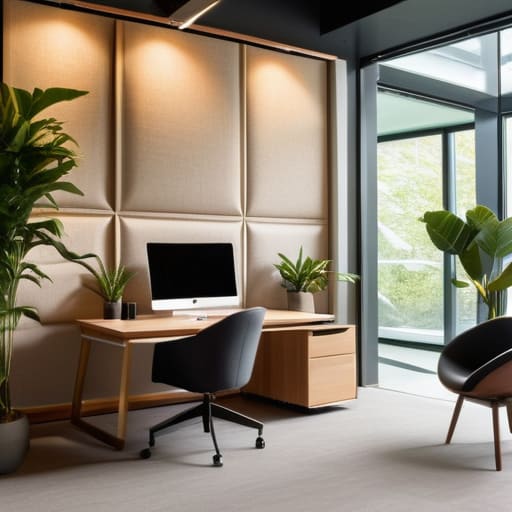
I remember sitting in a high-rise office during my logistics days, surrounded by the constant, low-frequency hum of server rooms and the relentless ping of Slack notifications. It wasn’t just the volume; it was the mental erosion caused by a complete lack of noise management. I spent years watching brilliant engineers lose their edge because they were constantly reacting to auditory clutter rather than driving deep work. Most people think they need a $500 pair of noise-canceling headphones to fix this, but that’s just a band-aid on a broken system.
I’m not here to sell you on more gadgets or expensive tech stacks that only add to your digital clutter. Instead, I want to talk about building sustainable frameworks that protect your headspace. We are going to strip away the hype and focus on practical, low-friction methods to reclaim your focus. I’ll show you how to audit your environment and set boundaries that actually stick, so you can stop fighting the chaos and start doing the work that actually matters.
Table of Contents
Why Reducing Ambient Noise Levels Saves Your Sanity

We tend to treat background noise like a minor annoyance, something we can just “power through” with a pair of headphones. But that’s a lie we tell ourselves to justify a chaotic environment. In reality, your brain is constantly working overtime to filter out every clattering coffee cup or distant conversation. This constant state of high alert is what leads to that mid-afternoon mental fog. By focusing on reducing ambient noise levels, you aren’t just making the room quieter; you are reclaiming the cognitive energy you currently waste on simply trying to exist in a loud space.
When you stop fighting a losing battle against your environment, something shifts. You stop reacting to every sudden sound and start operating from a place of intentionality. This isn’t about achieving total silence—that’s impossible in a functioning office or home—but about auditory distraction mitigation. It’s about creating a controlled soundscape where your focus can actually take root. When you prioritize your sensory environment, you aren’t being “fussy”; you are protecting your most valuable asset: your ability to think clearly.
Practical Auditory Distraction Mitigation for Real Work

Look, I’m not interested in suggesting you buy a $500 designer acoustic panel just to feel productive. Real-world auditory distraction mitigation is about layering your defenses based on the environment you actually inhabit. If you’re in a shared office, start with the low-hanging fruit: high-quality, over-ear noise-canceling headphones. They aren’t a luxury; they are a functional necessity for reclaiming your headspace. If you’re working from home, it’s less about high-tech gear and more about managing the physical space. Simple things like adding a thick rug or heavy curtains can act as basic sound absorption techniques, softening the sharp edges of a chaotic household.
Don’t overlook the power of “sound masking.” Sometimes, total silence is actually more jarring because every tiny click or distant conversation feels amplified. I’ve found that using a steady stream of brown noise—which is deeper and less piercing than white noise—can be incredibly effective for reducing ambient noise levels without feeling like you’re sitting in a vacuum. The goal isn’t to achieve perfect silence, which is a myth; it’s to create a consistent auditory baseline that allows your brain to finally settle into deep work.
Five Ways to Reclaim Your Headspace from the Chaos
- Stop relying on silence as your only defense. True focus often requires a controlled soundscape—think brown noise or low-fi beats—to mask the unpredictable spikes of an open office or a busy home.
- Audit your physical environment before you buy more gear. Sometimes, a simple heavy curtain or a strategic bookshelf can do more to dampen echoes than a pair of overpriced headphones ever will.
- Invest in high-quality hardware, but use it intentionally. Noise-canceling headphones are a tool, not a crutch; use them for deep-work blocks, then take them off to stay connected to your surroundings.
- Set clear auditory boundaries with the people around you. If you’re working from home, a simple visual cue—like a closed door or a specific light—tells your family that your focus is currently non-negotiable.
- Practice “sound hygiene” by scheduling your loudest tasks during peak noise hours. Don’t try to do deep analytical work when the neighbors are mowing the lawn; save the administrative, low-brainpower tasks for those chaotic windows.
The Bottom Line on Protecting Your Focus
Stop treating noise as an inevitability; treat it as a variable you can control through better environmental design.
Prioritize high-quality, functional tools—like noise-canceling headphones—over a dozen different “focus apps” that just add to your digital clutter.
Build a repeatable system for your workspace so that your brain doesn’t have to waste energy fighting distractions every single morning.
The High Cost of Constant Input
We treat noise like an unavoidable background element, but every unplanned sound is a tax on your cognitive bandwidth. If you aren’t actively managing your auditory environment, you’re essentially letting the world decide how much mental energy you have left at the end of the day.
Emmett Kowalski
Protecting Your Mental Real Estate

At the end of the day, managing noise isn’t about achieving a state of perfect, monastic silence; it’s about intentionality. We’ve looked at why ambient chaos drains your cognitive reserves and how specific, tactical shifts—from hardware like noise-canceling headphones to structural changes in your environment—can mitigate that drain. Whether you are reconfiguring your home office or setting firmer boundaries in a shared workspace, the goal is the same: to stop reacting to every sudden sound and start curating your sensory input. You don’t need a high-tech sensory deprivation tank to be effective; you just need a system that respects your focus.
Don’t fall into the trap of thinking you need to solve every single distraction before you can start your “real” work. Perfectionism is just another form of noise. Instead, pick one tool or one environmental tweak we discussed and implement it today. Productivity isn’t about adding more layers of complexity or chasing the latest “focus” app; it is about stripping away the friction that keeps you from your best work. Build your systems, protect your headspace, and make room for what actually matters.
Frequently Asked Questions
How do I deal with sudden, unpredictable noises that my noise-canceling headphones can't fully mask?
When the headphones fail, you have to stop trying to drown the noise out and start managing your reaction to it. If it’s a sudden construction blast or a loud neighbor, don’t fight the sound—it just spikes your cortisol. Instead, build a “buffer” system. Keep a physical timer on your desk to work in short, intense bursts, so when the noise hits, you know you’re almost at a break. Control the rhythm, not just the volume.
Is there a way to manage noise in an open-office layout without looking like I'm completely tuning out my team?
It’s a delicate balance. You want to protect your focus without building a digital fortress that says, “Don’t talk to me.” I suggest using visual cues alongside your gear. A small, physical signal on your desk—like a specific coaster or a tiny desk plant—can act as a “focus in progress” sign. Pair that with high-quality, over-ear headphones. It’s a universal signal that you’re deep in a task, but still physically present.
At what point does using white noise or background music become just another distraction I need to manage?
It becomes a distraction the moment you start “managing” it. If you’re spending ten minutes scrolling through Spotify playlists or tweaking the frequency of a white noise machine just to find the “perfect” sound, you’ve lost. The goal is a seamless backdrop, not a new project. If the audio requires your active attention or decision-making, it’s no longer a tool—it’s just more digital clutter. Pick a reliable setting and let it work for you.
