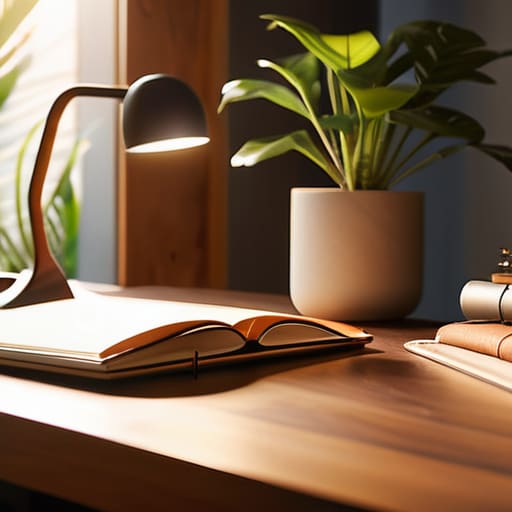
Stop wasting your money on “smart” LED strips that promise to revolutionize your brain but really just turn your office into a cheap nightclub. I’ve spent years watching people chase the latest tech gadgets, thinking a hundred-dollar color-changing bulb is the magic fix for their burnout. It’s nonsense. Most of the advice you see online regarding lighting for productivity is just marketing fluff designed to sell you hardware you don’t need. Real efficiency isn’t about high-tech gimmicks; it’s about understanding how your environment affects your cognitive load.
I’m not here to give you a shopping list of overpriced gear. Instead, I want to show you how to audit your current space and make intentional, functional adjustments that actually support your workflow. We’re going to strip away the hype and focus on the practical physics of light—color temperature, placement, and glare—to build a setup that helps you focus rather than fights against you. My goal is to help you create a workspace that works as hard as you do, without the unnecessary digital noise.
Table of Contents
Syncing With Your Circadian Rhythm Lighting
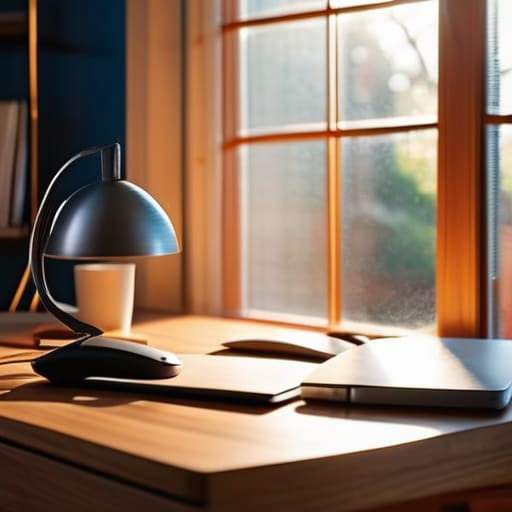
Most people treat their workspace lighting like a static setting—one switch, one brightness, all day long. But your body isn’t a machine, and it doesn’t operate best under a single, unchanging glare. If you want to stop feeling that 3:00 PM brain fog, you have to start thinking about circadian rhythm lighting. Your brain relies on specific light cues to know when to be sharp and when to start winding down.
In the morning, you want crisp, cool tones to signal alertness. This is where playing with color temperature for focus becomes a game changer; higher Kelvin levels mimic daylight and help suppress melatonin, keeping you on task. As the afternoon shifts toward evening, you need to pivot. Gradually transition to warmer, amber-toned light to prevent excessive blue light exposure from hijacking your sleep cycle later. It’s not about having the most expensive smart bulbs; it’s about matching your environment to your internal clock so your energy levels remain steady instead of crashing.
Optimizing Natural Light Optimization for Real Focus
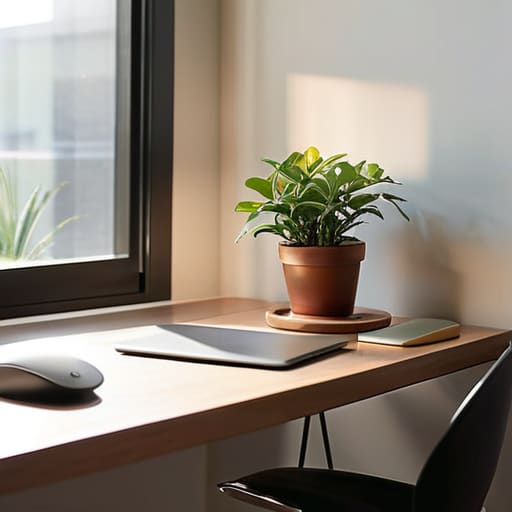
We spend so much time obsessing over software that we forget we are biological beings living in physical spaces. If your desk is tucked into a dark corner or facing a window that creates a constant, annoying reflection, you’re fighting a losing battle. Natural light optimization isn’t just about having a nice view; it’s about leveraging the sun to keep your brain from slipping into a mid-afternoon fog. I always tell my clients to position their workstations perpendicular to windows. This helps you soak up the benefits of daylight without the headache-inducing struggle of reducing glare on computer screens.
Once you’ve nailed the placement, you need to manage the quality of that light. As the day progresses, the intensity and angle of the sun shift, which can mess with your concentration if you aren’t prepared. If the direct sun becomes too harsh, don’t just close the blinds and sit in the dark—use sheer curtains to diffuse the rays. You want a consistent, soft glow that supports your vision. It’s about creating an ergonomic workspace setup that works with your biology, rather than forcing your eyes to strain against a poorly lit environment.
Five Practical Ways to Stop Fighting Your Lighting
- Layer your light sources. Relying on a single overhead fixture is a recipe for eye strain and a headache. Combine a focused task lamp for your desk with some ambient, softer lighting in the room to create depth and reduce the harsh glare that kills concentration.
- Ditch the “cool white” trap. I see so many people setting their workspace to a sterile, blue-toned light thinking it helps them focus, but it eventually leads to burnout. Use warmer tones in the late afternoon to signal to your brain that the high-intensity part of the day is winding down.
- Position your screen to kill the glare. It doesn’t matter how expensive your lamp is if your monitor is reflecting a bright window or a bulb directly into your eyes. Angle your light sources so they hit your workspace, not your screen, and you’ll stop squinting halfway through every task.
- Invest in dimmable tech. One brightness setting does not fit all moods or tasks. You need the ability to crank up the intensity for deep, analytical work and dial it back when you’re just clearing out your inbox or planning your next move.
- Watch your shadows. If your desk lamp is positioned in a way that casts a heavy shadow over your notebook or keyboard, you’re creating unnecessary visual friction. Position your primary light source to the side of your dominant hand to keep your workspace clear and visible.
Cutting Through the Noise: My Three Non-Negotiables
Stop treating light as an afterthought; treat it as a functional component of your workflow, just like your chair or your computer.
Prioritize biological alignment by using cool, bright light to drive focus during the day and warm, low-intensity light to signal the end of your workday.
Don’t overcomplicate the hardware—focus on the placement and the quality of the light rather than chasing the latest expensive smart-bulb gimmick.
## Stop Treating Light Like an Afterthought
We spend so much time obsessing over the perfect software or the latest task manager, yet we ignore the very thing hitting our eyes all day. If your lighting is fighting your biology, no amount of productivity hacks will save your focus.
Emmett Kowalski
Cutting Through the Noise

At the end of the day, optimizing your workspace isn’t about buying the most expensive smart bulbs or chasing every high-tech gadget on the market. It’s about the fundamentals: aligning your light with your body’s natural rhythms, making the most of the sun when it’s actually out, and ensuring your environment supports your brain rather than draining it. Whether you’re adjusting your desk lamp to reduce eye strain or repositioning your monitor to catch the morning light, remember that these aren’t just aesthetic choices. They are strategic adjustments designed to protect your cognitive energy. Stop letting a poorly lit room become another silent tax on your productivity; build a setup that works for you.
My philosophy has always been that the best systems are the ones that fade into the background, allowing you to actually do the work you set out to do. Lighting should be exactly like that—a seamless, functional layer of your workflow that you don’t even have to think about once it’s dialed in. Don’t get caught in a cycle of endless tinkering. Pick a direction, make a few intentional changes, and then get back to the real work. Real productivity isn’t found in a perfect setup, but in the mental space that a well-designed environment creates for you to thrive.
Frequently Asked Questions
I don't have a window in my office; how can I mimic natural light without spending a fortune on specialized gear?
Look, I’ve worked in windowless basement offices before; it’s a drain on your mental energy. Since you can’t move the walls, focus on high-CRI (Color Rendering Index) LED bulbs. Look for bulbs labeled “Daylight” with a color temperature between 5000K and 6500K. They mimic the blue-spectrum light of the sun without the professional studio price tag. Scatter a few well-placed desk lamps to prevent harsh shadows and keep the light soft, not clinical.
How do I balance the need for bright task lighting with the risk of eye strain during long stretches of deep work?
It’s a delicate balance, but don’t mistake “brighter” for “better.” If you’re diving into deep work, aim for layered lighting. Use a dedicated task lamp with a warm-to-neutral LED to illuminate your immediate workspace, but ensure your ambient room light is high enough to prevent harsh shadows. This reduces the constant pupil adjustment that causes strain. Most importantly, follow the 20-20-20 rule: every 20 minutes, look 20 feet away for 20 seconds.
Is it actually worth investing in smart bulbs, or am I just adding another digital tool to manage?
Look, I get the hesitation. My whole philosophy is about reducing mental load, not adding to it. If you’re buying smart bulbs just to fiddle with an app every twenty minutes, you’re wasting your time. But if you set them once—to automate a warm dimming routine for your evening wind-down or a crisp cool light for your deep-work blocks—then they become part of a seamless system. Invest in the automation, not the gadgetry.
