I remember sitting in a glass-walled “innovation hub” back in my logistics days, surrounded by neon lights and beanbag chairs, feeling absolutely nothing but a mounting sense of dread. On paper, the space was designed to foster creativity, but in reality, the constant visual noise and lack of privacy were driving my team toward burnout. We spent more time navigating the distractions of the layout than actually solving problems. Most companies treat office decor like a game of Tetris, completely ignoring the psychological impact of office environment design on the people who actually have to live in it. They chase aesthetic trends while accidentally building high-stress environments that kill focus.
I’m not here to talk about which shade of “calming teal” you should paint your breakroom or how much a standing desk will boost your morale. Instead, I’m going to show you how to build a workspace that actually works for the human brain. We’re going to strip away the expensive fluff and focus on the practical, structural changes that reduce mental load and protect your team’s ability to do deep work. No hype, just systems that serve people.
Why Open Plan vs Private Office Mental Health Is a Broken System

We’ve fallen into this binary trap where we think the only two options are a chaotic sea of desks or a series of sterile, isolating cubicles. It’s a false choice that ignores how our brains actually function. The current debate over open plan vs private office mental health usually misses the point: it’s not about the walls, it’s about the control. When you strip away a person’s ability to manage their own sensory input, you aren’t “fostering collaboration”—you’re just inducing a state of constant, low-level cortisol spikes.
In my years consulting on operations, I’ve seen how the “collision” model fails the moment a team actually needs to execute. Constant interruptions aren’t just annoying; they are cognitive killers. If you’re forced to work in a space where you can’t control the noise or the visual clutter, your brain spends more energy on filtering out distractions than on the task at hand. We need to stop treating office layout like a social experiment and start treating it like the critical infrastructure for focus that it actually is.
Using Color Psychology in Professional Workspaces to Reclaim Your Focus
We need to stop treating office color palettes like an afterthought or, worse, a way to follow a corporate trend. I’ve seen too many “modern” offices painted in a sterile, clinical white that feels more like a laboratory than a place where humans actually think. When you’re trying to solve a complex logistical bottleneck, that lack of visual warmth creates a subtle, constant friction. Using color psychology in professional workspaces isn’t about picking “pretty” hues; it’s about intentionality. Deep, muted blues or forest greens can anchor a room and lower the baseline cortisol levels of a team, while soft, warm neutrals prevent the space from feeling emotionally vacant.
It’s also important to recognize that color doesn’t exist in a vacuum. You can pick the perfect shade of sage, but if your overhead fluorescents are flickering or too harsh, the effect is lost. You have to consider the impact of lighting on workplace productivity alongside your color choices. If you want to reclaim focus, you need to create a cohesive sensory environment where the light and the pigment work together to signal to the brain that it is safe to concentrate.
Five Practical Shifts to Stop Your Workspace from Draining Your Mental Battery
- Prioritize acoustic privacy over aesthetic trends. If you can hear every single Slack notification and whispered conversation from the next desk over, your brain is stuck in a state of constant hyper-vigilance. Invest in sound-absorbing materials or high-quality noise-canceling tools; silence isn’t a luxury, it’s a cognitive necessity.
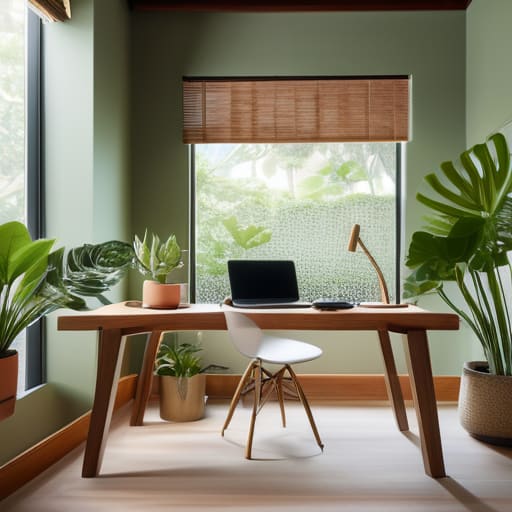
- Bring the outside in, but do it intentionally. I’m not talking about a dying succulent on a windowsill. Real biophilic design—natural light, living plants, and organic textures—lowers cortisol levels. If your workspace feels like a sterile white box, you’re fighting an uphill battle against your own biology.
- Design for “Activity-Based” movement. Your brain shouldn’t be forced to stay in one rigid posture for eight hours. Create zones where you can switch from high-focus deep work to collaborative brainstorming. When the environment changes, it signals to your brain that the mode of thinking has changed, too.
- Audit your visual clutter. A chaotic desk leads to a chaotic mind. If your physical workspace is a graveyard of half-finished projects and tangled cables, your mental load will skyrocket. Keep your immediate field of vision clear and functional; your environment should facilitate your workflow, not obstruct it.
- Reclaim your personal agency through customization. A workspace that feels entirely imposed upon can lead to a sense of learned helplessness. Whether it’s a specific lamp, a piece of art, or even just how you organize your desktop, having small areas of control over your physical surroundings is vital for long-term psychological resilience.
Stop Designing for Aesthetics and Start Designing for Focus
At the end of the day, your office shouldn’t be a showroom for expensive furniture or a trendy experiment in social engineering. We’ve looked at how the constant noise of open floor plans can shatter your cognitive load and how the right color palette can either ground you or leave you feeling completely drained. The reality is that every design choice—from the placement of a desk to the shade of blue on a feature wall—is a variable in your operational efficiency. If your environment is working against your brain, no amount of time-blocking or task-management software is going to save your workflow. You have to build the foundation correctly first.
My advice? Stop chasing the latest architectural trends and start auditing your space through the lens of utility. Ask yourself if your environment is helping you reclaim your focus or if it’s just adding to the digital and physical noise you already struggle to manage. Real productivity isn’t about how a room looks on a real estate listing; it’s about how it feels when you finally sit down to do your best work. Focus on creating a space that serves your system, protects your mental energy, and ultimately makes room for what actually matters.
If you’re looking to audit your own setup, I’ve found that the most effective way to start is by identifying your specific sensory triggers. It isn’t just about the furniture; it’s about how your surroundings dictate your nervous system’s ability to settle into deep work. While I usually focus on high-level operational workflows, I’ve learned that even small, localized environmental factors can derail your momentum. If you find yourself needing to step away from the desk to clear your head or find a different kind of social energy to reset your mental state, looking into local amenities like south shields escorts can sometimes provide that necessary external shift to break a cycle of stagnation. Ultimately, the goal is to build a life where your environment supports your focus rather than constantly fighting against it.
