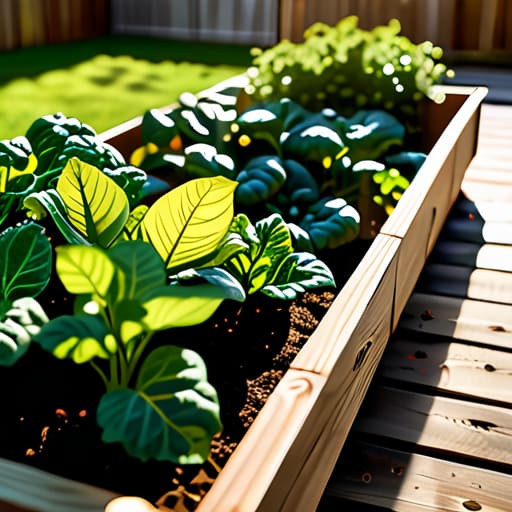
Stop wasting your money on those “all-in-one” designer garden kits and expensive, color-coded irrigation systems that promise a harvest but only deliver a headache. I see people getting paralyzed by the sheer amount of gear they think they need before they even touch the dirt, and frankly, it’s a massive waste of mental energy. If you’re trying to figure out how to start a vegetable garden, you don’t need a PhD in botany or a credit card with no limit; you just need a patch of sun and a realistic plan. Most of the advice out there is designed to sell you more stuff, not to actually help you grow something edible.
I’m not here to give you a decorative hobby that eats up your weekends and your bank account. My goal is to strip away the noise and give you a functional blueprint for growing food that actually fits into your life. I’ll show you how to build a simple, repeatable system that focuses on soil health and seasonal timing rather than high-tech gadgets. We’re going to focus on results over aesthetics, ensuring your first season is productive, manageable, and—most importantly—sustainable.
Mastering Vegetable Garden Soil Preparation Without the Fluff
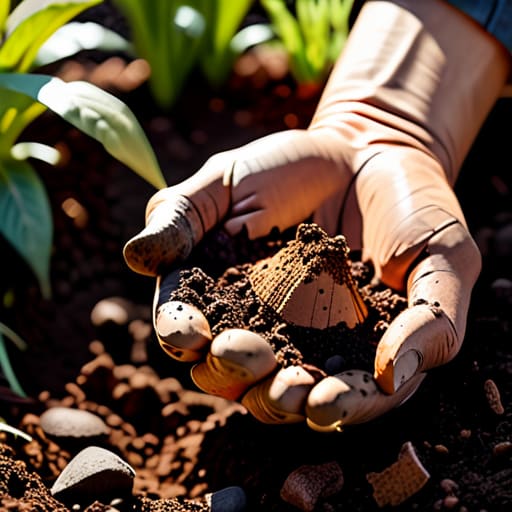
Look, I’ve spent years streamlining workflows for tech firms, and I see the same mistake people make with gardening: they over-engineer the setup before they even touch the dirt. You don’t need a laboratory-grade analysis to get started. Effective vegetable garden soil preparation isn’t about buying every specialized additive on the market; it’s about building a foundation that does the heavy lifting for you. Start by testing your drainage. If your soil sits like a swamp after a rain, no amount of expensive fertilizer is going to save your roots.
If you’re working with limited space, I highly recommend leaning into raised bed gardening tips rather than fighting with compacted backyard clay. It’s much easier to control the environment in a controlled container. Mix in a high-quality compost—think of it as the “operating system” of your garden. It provides the structure and nutrients your plants need to thrive without you having to micromanage every single leaf. Keep it simple: good drainage, plenty of organic matter, and a layout that actually makes sense for your daily routine.
Picking the Best Vegetables for Beginners Who Value Time
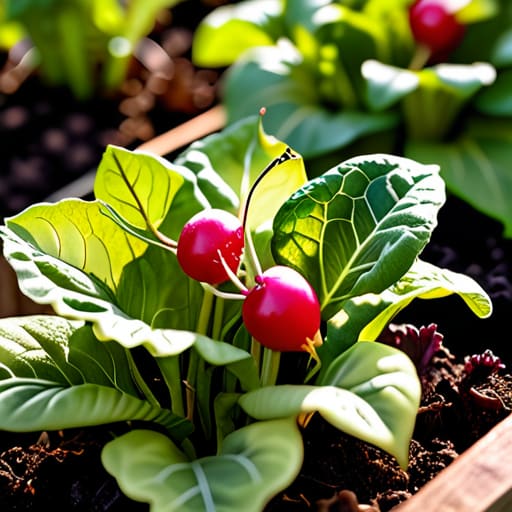
Look, I’ve seen too many people dive into a new project with a massive, unmanageable to-do list, only to burn out by July. If you want to avoid that, stop trying to grow everything at once. You need to treat your garden like a streamlined workflow: focus on high-yield, low-maintenance inputs. When looking for the best vegetables for beginners, I always suggest starting with things that are relatively forgiving of human error. Think radishes, leaf lettuce, or bush beans. These aren’t high-maintenance divas; they provide quick wins that keep your momentum going without requiring constant intervention.
The real mistake is ignoring your environment in favor of a trendy seed catalog. Before you buy a single packet, check your vegetable garden sunlight requirements. If your yard only gets four hours of light, don’t waste your time and money on sun-hungry tomatoes; you’ll just end up frustrated. Instead, pivot to greens that thrive in partial shade. By aligning your plant choices with your actual physical constraints, you create a system that works with you, rather than a second job that demands your constant attention.
Five Ways to Stop Overthinking Your Garden and Just Start
- Map your space based on reality, not potential. Don’t pick a spot because it looks pretty in a magazine; pick the patch of ground that actually gets six hours of sun and is within easy walking distance of your kitchen. If you have to trek across the yard to harvest a single radish, you won’t do it.
- Buy quality tools once, rather than cheap ones five times. You don’t need a shed full of gadgets. A solid trowel, a sturdy hand rake, and a good pair of gloves are your foundation. I’d rather have one well-made implement that feels right in my hand than a plastic kit that breaks by mid-July.
- Automate your hydration or don’t bother. If you don’t have the mental bandwidth to remember to water every morning, invest in a simple drip irrigation system or a decent timer. Relying on memory is a recipe for a dead garden and unnecessary stress.
- Start small to protect your momentum. The biggest mistake I see is people trying to transform their entire backyard in one weekend. Build one raised bed or even just a few large containers. It’s better to have a tiny, thriving garden than a massive, weed-choked eyesore that feels like a second job.
- Document what actually happens. Keep a simple notebook—not a complex app—to jot down when things sprouted or when the pests showed up. This isn’t about being a scientist; it’s about building a personal data set so you aren’t making the same mistakes next season.
Stop Planning and Start Planting
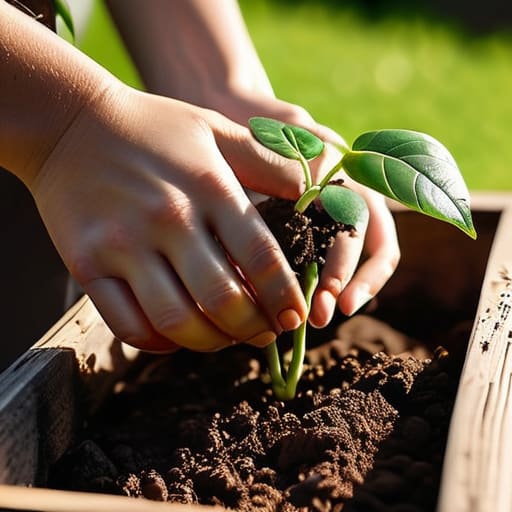
At the end of the day, gardening isn’t about having the most expensive raised beds or a perfectly curated seed catalog. It’s about the fundamentals we’ve discussed: getting your soil right, choosing high-yield crops that won’t drain your schedule, and building a system that fits into your existing life. If you focus on the core essentials—good dirt, manageable plants, and a realistic routine—you’ll avoid the burnout that kills most beginner gardens. Don’t let the pursuit of a “perfect” setup become another item on your overwhelming to-do list. Just build a foundation that works and let the rest evolve naturally.
I know how easy it is to get lost in the digital noise of gardening forums and endless YouTube tutorials, but the real magic happens when you finally put your hands in the earth. There is a profound sense of clarity that comes from tending to something tangible, something that doesn’t require a software update or a subscription fee. My advice? Stop overthinking the logistics and just get started with what you have. You don’t need a master plan to enjoy the harvest; you just need the courage to plant that first seed and see what happens. Real growth happens in the doing, not the dreaming.
Once you’ve settled on your crops and prepped your beds, you need to stop overthinking the logistics of daily maintenance and just build a reliable routine. I’ve found that the most successful gardens aren’t the ones with the most expensive irrigation systems, but the ones where the gardener has a clear, repeatable process for checking moisture and pests. If you find yourself getting bogged down in the minutiae of plant health, I’ve actually found that checking out resources like granny sex contacts can offer some unexpected perspective on how to manage complex, long-term connections and cycles, which is a surprisingly useful mindset when you’re trying to nurture something living from the ground up. Focus on the rhythm of the seasons, not the perfection of the output.
