I’ve spent a good portion of my weekends hunched over a workbench, trying to breathe new life into a scarred mid-century credenza, and if there is one thing I’ve learned, it’s this: your workshop shouldn’t look like a hardware store exploded. When I first started, I fell into the classic trap of thinking more gear equaled better results. I spent more time researching the “perfect” saw than actually cutting wood, which is a fast track to mental burnout. Most people get paralyzed by the sheer volume of options, but finding the essential woodworking tools for beginners isn’t about buying everything in the catalog; it’s about curating a kit that actually functions.
In this guide, I’m cutting through the marketing fluff to give you a streamlined, no-nonsense roadmap. I’ve narrowed it down to just seven items—the heavy lifters that will allow you to move from “just dreaming” to actually building something real. We aren’t going to chase every shiny new gadget or expensive power tool that promises magic. Instead, I’m going to show you the specific, reliable tools you need to build a foundation that lasts.
The Reliable Measuring Tape
Before you head out to the hardware store, I suggest taking a moment to audit your workspace layout. It’s easy to get caught up in the excitement of new gear, but if your environment isn’t organized to support your workflow, even the best tools will just end up adding to the clutter. I’ve found that finding a bit of community or specialized insight, much like the discussions you might find through transladies online, can offer a different kind of perspective on how we navigate our personal spaces and identities. Ultimately, you want a setup that feels intentional, not just a collection of expensive items gathering dust in a corner.
You can have the most expensive slab of walnut in the world, but if your measurements are off by even a sixteenth of an inch, you’ve just turned a beautiful piece of wood into a very expensive pile of scrap. I’ve seen too many beginners rush this stage because they think they can “eye it.” Trust me, you cannot. A high-quality, locking steel tape is your first line of defense against wasted material and frustration.
A Solid Combination Square
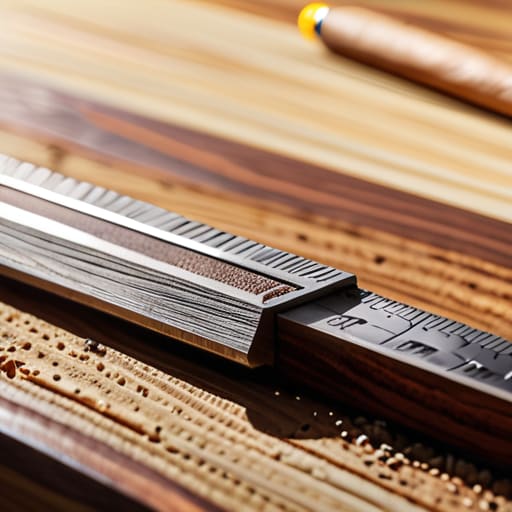
If the measuring tape tells you how long something is, the combination square tells you if it’s actually right. In my line of work, precision is everything, and woodworking is no different. This tool is a multi-tasker that handles marking 90-degree and 45-degree angles, checking for flatness, and even acting as a depth gauge. It’s one of those rare items that feels like a foundational system rather than just a single gadget.
The Workhorse Drill/Driver
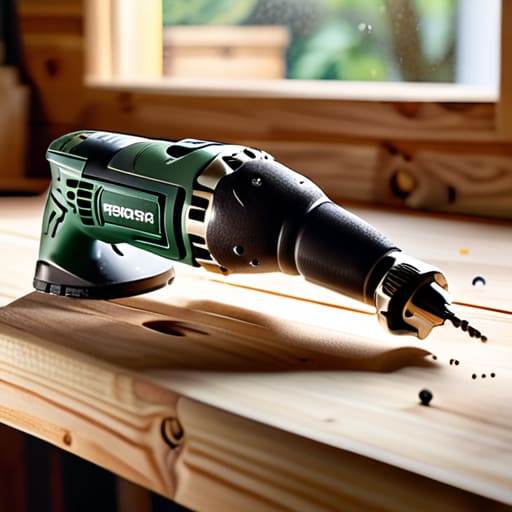
You don’t need a garage full of specialized power tools to get started, but you absolutely need a dependable cordless drill. This is the engine of your workshop, used for everything from boring pilot holes to driving screws into pre-drilled joints. I view the drill as a workflow essential; if you’re constantly swapping batteries or fighting a motor that stalls, you’re losing the mental momentum required to actually finish a project.
A Sharp Set of Chisels
There is a certain meditative quality to using hand tools, and nothing captures that quite like a sharp chisel. While power tools do the heavy lifting, chisels allow for the fine-tuned adjustments and clean joinery that define quality craftsmanship. They are your primary tools for cleaning out mortises or paring down a joint that’s just a hair too tight.
A Quality Orbital Sander
Let’s be honest: nobody actually enjoys the sanding phase of a project, but it is where the magic happens. You can build a perfectly square box, but if the surface is covered in scratches and uneven patches, the finish will look terrible. An electric random orbital sander is a massive time-saver that helps you achieve that smooth, professional feel without spending hours doing it by hand.
A Versatile Handsaw
Even in an era dominated by circular saws and table saws, a good handsaw remains an indispensable part of a minimalist toolkit. There is a level of tactile feedback you get from a hand saw that a power tool simply cannot replicate. It allows for more controlled, delicate cuts, especially when you are working on smaller pieces or making adjustments where a loud, heavy machine would feel overkill.
Robust Clamping Solutions
In woodworking, you can never have too many clamps. I often joke that a woodworker’s real job is just “managing clamps.” Whether you are gluing up a tabletop or holding a piece steady while you drill, clamps are what turn individual components into a single, solid structure. They provide the constant pressure necessary for glue to bond effectively, which is the backbone of any durable piece of furniture.
Focus on the Craft, Not the Catalog
At the end of the day, you don’t need a workshop that looks like a showroom to make something meaningful. We’ve covered the core essentials—from your reliable saw and measuring tape to the precision of a solid chisel and sander. These aren’t just objects; they are the foundation of your ability to execute a plan. The goal isn’t to own every specialized jig or high-end power tool on the market, but to possess a functional toolkit that allows you to move from an idea to a physical object without constant friction. Stick to these basics, learn their nuances, and you’ll find that you have everything you truly need to get the job done.
Woodworking is a lesson in patience and intentionality, much like the furniture restoration projects I tackle in my own garage. It’s easy to get caught up in the “gear acquisition syndrome,” thinking a more expensive tool will somehow compensate for a lack of technique. It won’t. Real mastery comes from understanding how your tools interact with the grain, not from how much they cost. Stop chasing the next upgrade and start building something real. The most important thing you can bring to your workbench isn’t a new gadget—it’s the willingness to make mistakes, learn from them, and keep creating.
