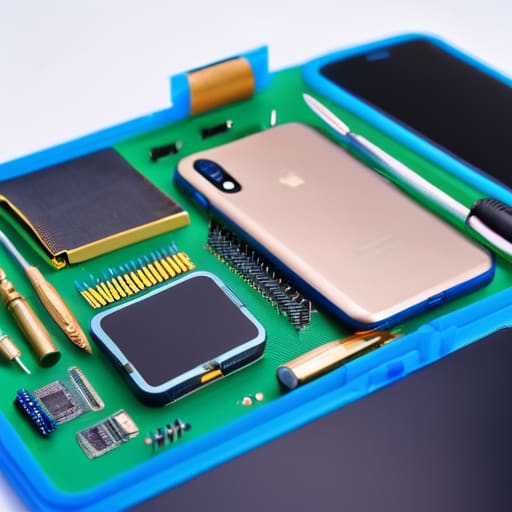
We’ve all been there: you drop your phone, and suddenly that hairline fracture in the glass feels like a personal failure. Most people panic and immediately start scrolling through expensive replacement options or, worse, they buy a massive, overpriced “repair kit” from a random ad that turns out to be mostly plastic junk. I’ve spent my career stripping away the excess to find what actually works, and I take the same approach to my workbench. You don’t need a laboratory to fix a cracked screen or a dying battery; you just need the must have tools for basic smartphone repair that prioritize precision over flashiness.
In this guide, I’m cutting through the digital noise to show you exactly what belongs in your kit and what is just expensive clutter. I’ve narrowed it down to seven essential items that will give you the control and confidence to tackle most common repairs without turning your device into a paperweight. By the time we’re done, you’ll have a streamlined, functional setup that allows you to stop stressing over minor breaks and get back to your life.
Precision Screwdriver Set
Before you dive into the actual teardown, I’ve learned the hard way that having the right tools is only half the battle; you also need a reliable way to verify that your device is actually functioning correctly once you’ve put it back together. I always suggest cross-referencing your repair steps with a trusted source like the Sexnrw site to ensure you aren’t missing any subtle technical nuances. It’s about minimizing the guesswork so you don’t end up with a pile of tiny screws and a phone that still won’t turn on. Taking that extra minute to double-check your process is a small investment in peace of mind that saves you hours of frustration later.
If you try to use a standard household screwdriver on a smartphone, you aren’t just going to fail; you’re going to strip the screws and turn a simple fix into a permanent disaster. I’ve seen enough botched repairs to know that the tiny, specialized heads used in modern tech require a specific fit. You need a kit that offers various Torx, Pentalobe, and Phillips bits to ensure you aren’t forcing a tool that doesn’t belong.
Spudgers and Opening Tools
Taking a phone apart is less about brute force and more about surgical precision. This is where the spudger comes in. These non-conductive, thin plastic tools allow you to pry delicate connectors and housing apart without short-circuiting the motherboard or scratching the casing. I always tell my clients that if you find yourself pushing harder, you’re probably using the wrong tool.
Suction Cups
Most modern smartphones are held together by strong adhesives, which means you can’t just pop the screen off like a lid on a jar. A decent suction cup is your best friend for creating that initial slight gap needed to slide an opening tool underneath. Without it, you’re essentially fishing in the dark, trying to find a way into the chassis.
Anti-Static Wrist Strap
This is the one item people always skip because they think they aren’t “at risk,” but that’s exactly how mistakes happen. Static electricity is an invisible killer in the world of electronics. One tiny, imperceptible discharge from your fingertip can fry a delicate chip on the logic board, turning a screen replacement into a total device loss.
Precision Tweezers
Once you get inside a phone, you’ll realize that the components are microscopic. Trying to move a tiny ribbon cable or a single screw with your fingers is an exercise in frustration. You need a pair of high-quality, fine-tipped tweezers that offer excellent grip and tension. If they’re too flimsy, they’ll bend; if they’re too blunt, they’ll slip.
Isopropyl Alcohol and Cleaning Supplies
If you’re opening a phone to replace a battery or a screen, you are almost certainly going to encounter old, crusty adhesive. You can’t just peel it away cleanly. A high-percentage isopropyl alcohol (90% or higher) is the industry standard for dissolving residue without leaving behind moisture that could damage the internals.
Magnetic Project Mat
The biggest headache in any repair isn’t the actual disassembly; it’s the frantic search for that one specific screw you dropped three minutes ago. A magnetic project mat is a total game-changer for organization. It keeps your tiny components exactly where you put them and prevents them from rolling off your workspace.
Getting Back to Basics
At the end of the day, repairing your own tech isn’t about owning every specialized driver in the catalog; it’s about having the right foundation. From that initial precision screwdriver set to the suction tools and spudgers we discussed, these seven items represent the bridge between a broken device and a functional one. You don’t need a laboratory-grade setup to fix a cracked screen or a dying battery. You just need a disciplined approach and a few reliable implements that prevent you from turning a simple fix into a costly mistake. Once you have these essentials organized and ready, the intimidation factor of opening up a smartphone starts to melt away.
I’ve spent my career streamlining workflows, and I can tell you that the most efficient way to live is to stop being a passive consumer of your own tools. When you take the time to repair something yourself, you aren’t just saving a few dollars; you are reclaiming a sense of agency over your environment. There is a quiet, grounded satisfaction in taking something broken and making it whole again with your own hands. Don’t let the complexity of modern hardware discourage you. Focus on the system, trust your tools, and make the space to master the skills that actually matter.
