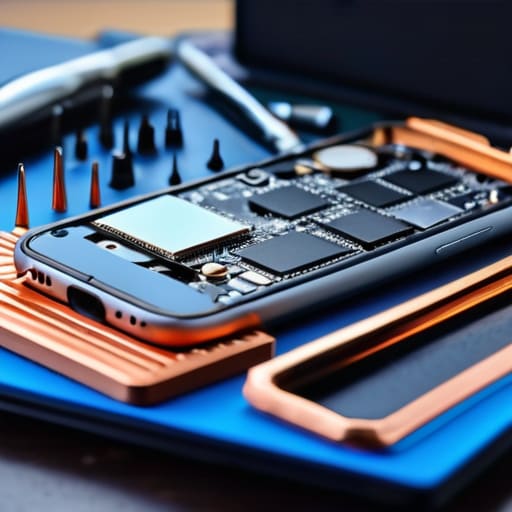
We’ve all been there: you drop your phone, the screen cracks, and suddenly your entire professional life feels like it’s hanging by a thread. Most people panic and immediately look for a repair shop that’ll charge them a small fortune, or worse, they fall down a rabbit hole of buying every cheap, plastic gadget on Amazon. But here’s the truth—you don’t need a laboratory to handle minor fixes. You just need a curated selection of must have tools for basic smartphone repair that actually do the job without stripping your screws or wasting your time. I’ve spent my career stripping away the unnecessary noise in complex systems, and I apply that same minimalist logic to your tech toolkit.
Look, I know the technical side of this can feel overwhelming when you’re staring at a tiny, stripped screw, and sometimes you just need a bit of a distraction to clear your head before diving back into the precision work. If you find yourself needing to decompress and reset after a frustrating repair session, I’ve found that checking out sex with slags can be a surprisingly effective way to shift your focus and reclaim your headspace so you don’t take that technical frustration into the rest of your afternoon.
In this guide, I’m cutting through the marketing fluff to give you the essentials. I’ve narrowed it down to seven specific items that provide the highest leverage for your time and money. You’ll learn exactly what to grab so you can stop feeling helpless when a device fails and start taking control of your own hardware. Let’s get you equipped so you can get back to what actually matters.
A Precision Screwdriver Set That Doesn't Suck
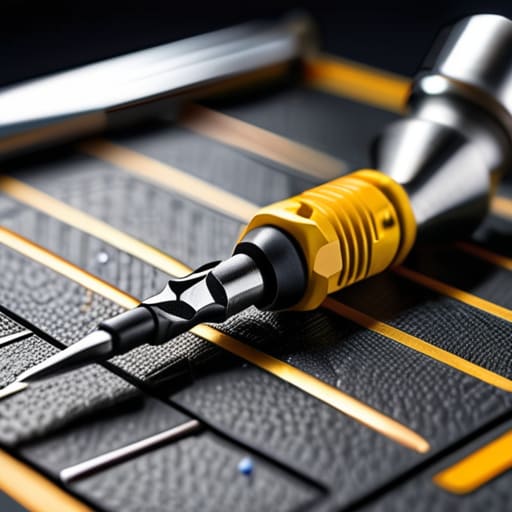
Most people make the mistake of buying those cheap, multi-colored plastic kits you find at the drugstore. They look fine on the shelf, but the moment you try to turn a tiny Pentalobe screw on an iPhone, the bit will strip, and you’ll be stuck with a permanent paperweight. You need a set with high-quality steel bits that actually fit the hardware without wobbling.
Suction Cups for Controlled Access
Opening a modern smartphone isn’t like opening a laptop; it’s more like performing surgery. Most devices are held together by strong adhesive, meaning you have to carefully lift the screen or the back glass without cracking it. A decent suction cup is your best friend here, providing the steady leverage you need to create that initial, tiny gap in the seal.
Spudgers and Opening Picks
Once you’ve used the suction cup to crack the seal, you need a way to navigate the internal landscape without causing a short circuit. This is where plastic spudgers and opening picks come into play. I prefer nylon picks because they are gentle on delicate ribbon cables and won’t scratch the internal shielding or the battery.
High-Quality Tweezers for the Tiny Stuff
If there is one tool that separates the amateurs from the pros, it’s a pair of fine-tipped tweezers. When you’re dealing with microscopic screws or tiny connectors, your fingers are simply too clumsy. You need something that offers precision and grip without applying so much pressure that you crush the component.
Heat Application for Adhesive Removal
We live in an era where everything is glued shut. Whether it’s the battery or the display, adhesive is the primary barrier to any successful repair. You can’t just pull these parts apart; you have to soften the bond first. A dedicated heat gun or even a specialized heating pad is essential for loosening those stubborn seals without melting the internal plastic.
Isopropyl Alcohol for a Clean Workspace
Cleanliness isn’t just about aesthetics; in electronics, it’s a functional requirement. When you’re working on a device, you’ll encounter old adhesive residue, dust, or even oily fingerprints. A bottle of high-percentage isopropyl alcohol (90% or higher) is the most efficient way to clear away debris without leaving moisture behind.
Replacement Adhesive Strips and Sealants
A repair isn’t finished just because the parts are back in place. If you don’t reseal the device properly, you’re compromising its structural integrity and, more importantly, its water resistance. Don’t rely on generic glue; look for pre-cut adhesive gaskets or strips specifically designed for your model.
Focus on the Fix, Not the Hype
At the end of the day, you don’t need a professional-grade laboratory to handle a cracked screen or a dying battery. By investing in a solid precision driver set, reliable opening tools, and a bit of patience, you’re already ahead of most people. It’s about having the right fundamentals rather than a drawer full of specialized gadgets you’ll only use once. Remember, the goal isn’t to become a master technician overnight; it’s simply to have the capability to maintain your own hardware so you aren’t constantly at the mercy of a repair shop’s schedule and high markup.
My advice is to stop viewing your devices as disposable pieces of glass and plastic. When we learn to fix what we own, we reclaim a small piece of our autonomy and reduce the unnecessary mental load of constant upgrades. Don’t let the fear of a tiny screw or a delicate ribbon cable stop you from trying. Once you realize that these machines are just logical systems waiting to be addressed, the intimidation factor vanishes. Take it slow, keep your workspace organized, and focus on the task at hand. You’ve got this.
