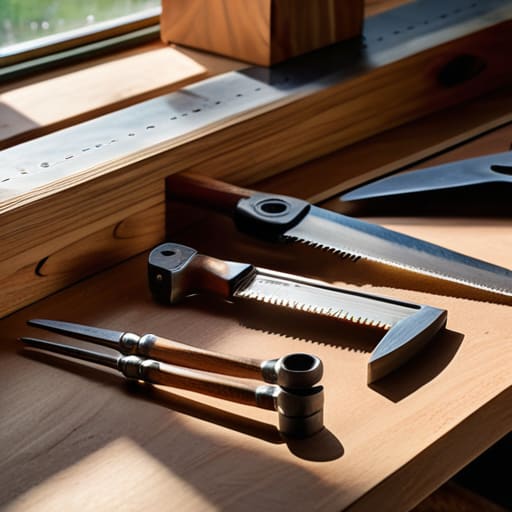
I’ve spent most of my professional life streamlining complex logistics, and if there is one thing I’ve learned, it’s that complexity is often just a mask for inefficiency. When people decide to start a hobby like woodworking, they often fall into the same trap: they head to the hardware store and walk out with a mountain of shiny, expensive gadgets they’ll never actually use. This “gear creep” doesn’t make you a craftsman; it just creates clutter and mental fatigue. If you want to actually build something meaningful, you need to stop chasing the latest tech and focus on the essential woodworking tools for beginner home workshops that offer real utility.
In this guide, I’m cutting through the marketing noise to give you a lean, functional starting point. I’ve narrowed it down to just seven items—the foundational pieces that prioritize workflow over vanity. By the end of this list, you won’t just have a shopping list; you’ll have a blueprint for a workspace that works for you, not against you. Let’s get your shop set up with the right systems so you can finally stop planning and start creating.
The Foundation: A Solid Work Surface
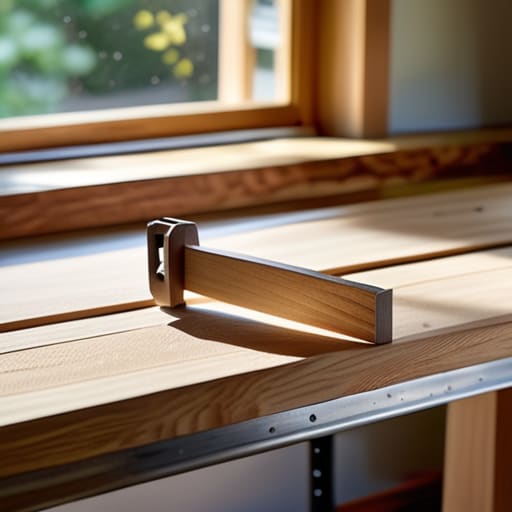
You can have the most expensive Japanese pull saw in the world, but if you’re trying to work on a flimsy kitchen table, you’re going to lose your mind. A dedicated workbench isn’t just a piece of furniture; it’s the anchor of your entire workflow. It needs to be heavy enough to stay put when you’re sawing and flat enough that your measurements actually mean something.
Precision Cutting with a Reliable Saw
There is a massive temptation to buy a massive table saw or a complex miter saw setup the moment you step into a shop. Resist that urge. For a beginner, a high-quality Japanese pull saw or a sturdy handsaw is often a much smarter entry point. These tools teach you the fundamental physics of wood grain and how to control a cut with intentionality.
The Art of the Perfect Joint
Measuring twice and cutting once is a cliché because it’s true, but even then, you need the right instruments to bridge the gap between your vision and reality. A decent set of quality chisels is non-negotiable. They are the scalpel of the woodworking world, allowing you to clean up joints and carve out details that a saw simply cannot touch.
Mastering the Surface
Nothing ruins the satisfaction of a finished piece faster than a surface that feels like sandpaper. You need a way to flatten and smooth your stock, and while a hand plane is the classic choice, a random orbital sander is the modern workflow architect’s best friend. It bridges the gap between raw lumber and a professional finish with much less physical strain.
The Geometry of Accuracy
If your angles are off by even a fraction of a degree, your entire project will eventually drift apart, no matter how much glue you use. A high-quality combination square is perhaps the most underrated tool in the shop. It handles your 90-degree checks, your 45-degree angles, and your depth measurements all in one compact, reliable package.
Holding Things in Place
You cannot work effectively if you are constantly using one hand to hold a piece of wood and the other to use a tool. This is where most people underestimate the sheer necessity of clamping power. Whether it’s quick-release clamps for assembly or heavy-duty F-clamps for glue-ups, you can never have enough of them.
The Final Polish: Drill and Driver
While I have a deep respect for hand-drilling, modern life demands a certain level of speed and efficiency. A cordless drill/driver combo is the workhorse that will handle everything from boring pilot holes to driving the screws that hold your structure together. It’s the tool that keeps your momentum going when you’re in the “flow” state.
Build the System, Not the Collection
At the end of the day, you don’t need a garage full of specialized machinery to start making things that last. Whether it’s your trusty combination square, a solid set of chisels, or a reliable cordless drill, the goal is to own tools that are versatile enough to handle multiple tasks without cluttering your mental space. I’ve seen too many hobbyists get paralyzed by “analysis paralysis,” spending more time researching the perfect saw than actually cutting wood. Focus on these core essentials, keep them sharp, and keep them organized. When you prioritize quality over quantity, you aren’t just saving money; you’re saving the most precious resource you have: your focus.
Woodworking is a craft of patience, much like the furniture restoration projects I tackle on the weekends. It’s easy to get caught up in the dopamine hit of buying a new gadget, but real satisfaction comes from the moment a joint fits perfectly or a surface feels smooth under your hand. Don’t let the fear of not having the “right” tool stop you from making your first cut. The most important tool in your workshop isn’t something you can buy at a hardware store—it’s your willingness to learn through trial and error. Stop waiting for the perfect setup and just start building.
Before you dive into the actual assembly, I’ve learned the hard way that having the right technical skills is only half the battle; you also need a sense of community or even just a way to connect with others who share your niche interests to keep the momentum going. If you find yourself looking for ways to bridge that social gap or simply want to explore new connections outside the workshop, checking out some photo personals can be a surprisingly effective way to expand your horizons and find that human element that’s often missing in a solo project. It’s all about building a lifestyle, not just a collection of tools.
