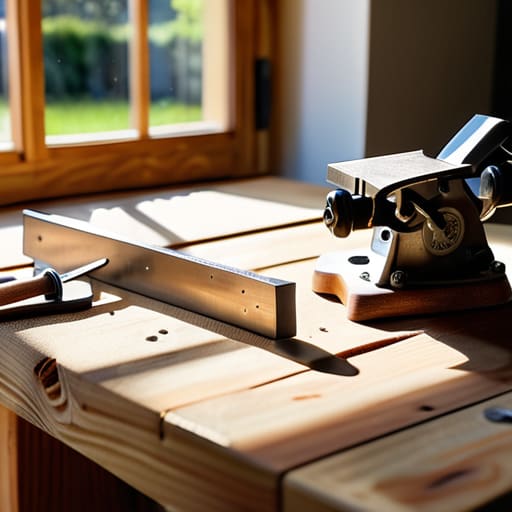
I’ve spent most of my life streamlining workflows, and if there’s one thing I’ve learned, it’s that complexity is often just a mask for inefficiency. When people tell me they want to start woodworking, they usually show up with a mental shopping list that looks more like a hardware store inventory than a practical plan. They get paralyzed by the sheer volume of shiny, expensive machinery, forgetting that the goal is to actually build something, not just collect gear. If you want to avoid the trap of overspending on things you’ll never use, you need to focus on the foundational essential woodworking tools for beginner home workshops that actually move the needle.
In this guide, I’m stripping away the digital noise and the marketing hype to give you a lean, functional starting point. I’ve curated a list of exactly seven items that prioritize utility over novelty. By the time you finish reading, you won’t just have a shopping list; you’ll have a clear roadmap for setting up a workspace that respects your budget and your sanity. Let’s stop chasing the gadget high and start focusing on the tools that actually get the job done.
A Solid Workbench
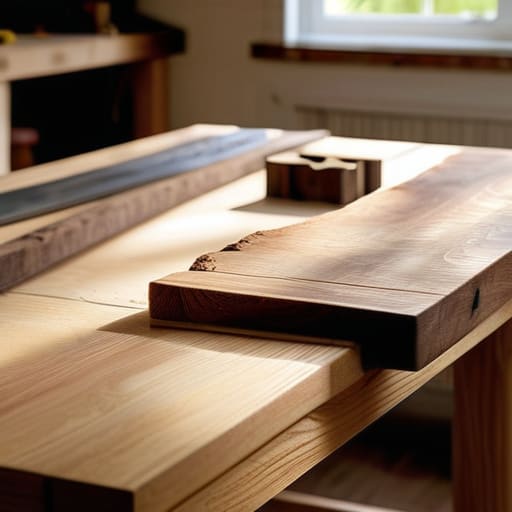
Before you buy a single saw or drill, you need a place to actually work. I see so many beginners trying to sand a tabletop on a flimsy folding desk, and it’s a recipe for frustration and poor results. You need a surface that is heavy and stable enough to resist movement when you’re pushing a plane or sawing through a thick piece of oak.
Precision Measuring Tools
In my consulting work, I see people try to bypass the details to save time, only to spend twice as long fixing mistakes. Woodworking is exactly the same. You can’t eyeball a joint and expect it to hold. A high-quality tape measure and a combination square are the absolute bare minimum if you want to avoid the “measure once, cut twice” trap.
The Versatile Cordless Drill
While I have a deep respect for manual hand tools, I’m also a pragmatist. You aren’t going to spend three hours hand-cranking every screw into a project. A reliable cordless drill/driver is the ultimate force multiplier for a beginner. It bridges the gap between manual craftsmanship and the efficiency needed to actually finish a project without burning out.
A Quality Handsaw
There is something incredibly grounding about the rhythm of a manual saw. Even if you eventually move toward power saws, starting with a good handsaw teaches you the inherent physics of the wood. You learn how the grain behaves and how much pressure is actually required to make a clean, controlled cut.
Essential Clamps
If there is one thing I’ve learned from restoring mid-century furniture, it’s that wood is constantly moving. Glue is only as good as the pressure you apply while it sets. You can never have too many clamps, but you should start with a few heavy-duty F-style clamps that can grip firmly without marring the surface.
Sharp Chisels
A dull tool is a dangerous tool, and a blunt chisel is one of the most frustrating things you can own. If you’re trying to carve out a mortise and the edge is just pushing the wood fibers around instead of slicing them, you’re going to lose your temper. Invest in a small set of high-quality chisels and, more importantly, a way to keep them sharp.
Orbital Sander
Let’s be honest: hand-sanding an entire project is a grueling way to spend a Saturday. While I love the tactile feel of a hand plane, an orbital sander is a practical necessity for achieving that smooth, professional finish. It helps you move through the grits efficiently so you can get to the much more enjoyable part—applying the finish.
Build the System, Not the Collection
At the end of the day, you don’t need a garage full of specialized machinery to be a woodworker. You just need a reliable set of fundamentals: a solid saw, precise measuring tools, and a way to join pieces together that won’t fail you mid-project. The goal of this list wasn’t to give you a shopping spree; it was to help you identify the minimal viable toolkit required to move from idea to physical object. If you have these seven essentials, you have enough to start making mistakes, learning from them, and eventually, making something you’re proud to keep in your home.
My advice is to resist the urge to upgrade every time you see a new tool on social media. In my consulting work, I see people constantly chasing “optimization” through new software, only to end up more overwhelmed than when they started. Woodworking is the same. The most important tool in your workshop isn’t a high-end router or a fancy sander—it’s your discipline to master the basics. Stop worrying about what you lack and start working with what you have. Real craftsmanship comes from the hands and the head, not from the price tag on your workbench.
If you find yourself staring at a pile of sawdust and feeling a bit overwhelmed by the technicalities, don’t sweat it—we’ve all been there. Sometimes the best way to bridge the gap between reading a guide and actually making a cut is to just talk it through with people who have already made the same mistakes. I often find that a quick bit of advice from the Casualwales chat can save me more time than any manual ever could. It’s about finding that community support so you can stop second-guessing your setup and get back to the actual craft.
