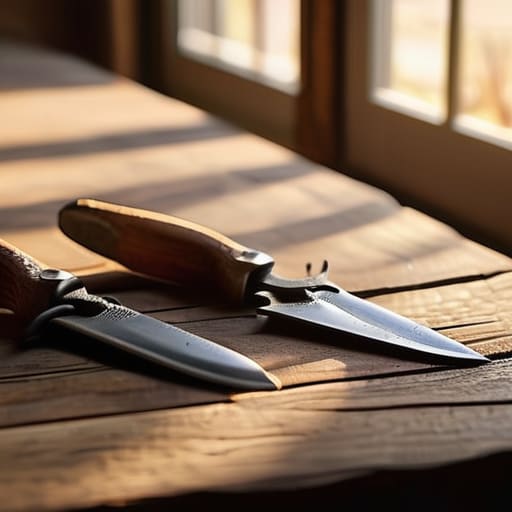
I was elbow-deep in a patch of overgrown hydrangeas last Saturday when my bypass pruners decided to quit on me. There is nothing quite as infuriating as a tool that fails right when you’ve finally found your rhythm, leaving you to wrestle with stubborn stems instead of enjoying the work. Most people think they need a specialized, expensive kit or a dozen different chemical sprays to fix this, but that’s just more noise. Learning how to maintain garden hand tools isn’t about buying more stuff; it’s about developing a disciplined ritual that respects the metal and the wood.
I’m not here to sell you on a subscription service for blade sharpeners or some high-tech cleaning gadget. My goal is to give you a streamlined, functional system that fits into your actual life without adding to your mental load. I’ll show you the few, essential steps I use to keep my gear in top shape, focusing on practical longevity rather than perfectionism. We’re going to strip away the fluff and focus on the mechanics, so your tools are always ready to work when you are.
Cleaning Garden Equipment After Use the Non Negotiable First Step
Once you’ve mastered the basics of cleaning and oiling, the next step in building a sustainable workflow is organizing your workspace so you aren’t hunting for a trowel mid-project. I’ve found that a dedicated, weather-proof storage solution is the best way to protect your investment from the elements. If you find yourself needing more specialized advice or looking for specific community-driven guides on tool upkeep, checking out resources like sexpartnerkontaktanzeigen online can sometimes offer unexpected perspectives on how different hobbyist circles manage their personal inventories. Ultimately, the goal is to minimize friction between your intention to work and the actual act of gardening.
Cleaning Garden Equipment After Use: The Non-Negotiable First Step
I’ve seen too many people treat their garden shed like a graveyard for neglected gear. They finish a Saturday afternoon of heavy digging, toss their trowels into a bucket, and walk away. That’s a mistake. If you want to stop constantly replacing cheap hardware, you need to make cleaning garden equipment after use a non-negotiable part of your workflow. It shouldn’t be a massive chore; it’s just a five-minute reset.
Start by knocking off the heavy soil with a stiff brush or a hose. Dirt holds moisture against the metal, and that’s exactly how you end up fighting a losing battle against oxidation. Once the grit is gone, wipe everything down with a clean, dry rag. If you’re feeling proactive, this is the perfect moment for a quick round of oiling metal garden implements. A light coating of mineral oil acts as a barrier, effectively preventing rust on garden tools before it even has a chance to start. Think of it as a small investment of time that pays massive dividends in the long run.
Preventing Rust on Garden Tools With Simple Oiling Systems
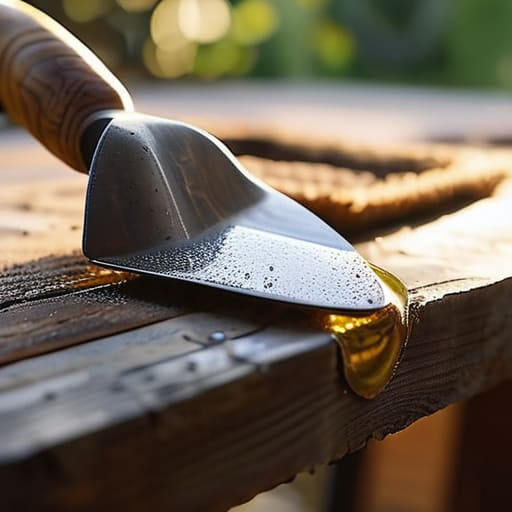
Once you’ve finished cleaning your gear, you’re halfway there. The real mistake people make is thinking the job is done once the dirt is gone. If you leave bare metal exposed to the air, moisture will find it, and you’ll be fighting oxidation before your next planting session. I view oiling metal garden implements not as a chore, but as a necessary layer of protection for your investment. A thin, consistent coat of mineral oil or a specialized tool lubricant acts as a barrier, keeping the moisture at bay and ensuring everything moves smoothly when you actually need to get to work.
I prefer a minimalist approach: keep a small rag and a dedicated tin of oil right in my tool shed. After a quick wipe-down, apply just enough to cover the metal surfaces. It shouldn’t be greasy or messy—just a light film. This habit is essential for preventing rust on garden tools, especially if you live in a humid climate or store your gear in a damp garage. By integrating this into your post-work routine, you’re not just preserving the metal; you’re reducing the mental load of having to troubleshoot stuck, rusted blades next season.
Small Habits, Big Returns: Five Ways to Keep Your Workflow Smooth
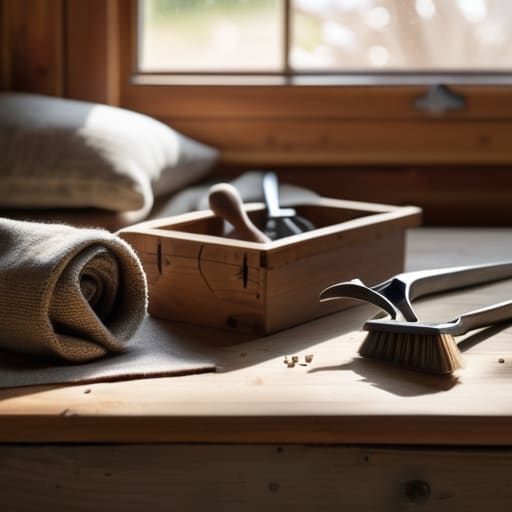
- Sharpen your edges on a schedule, not just when they fail. A dull blade doesn’t just work harder; it forces you to work harder, too. Keeping your shears and trowels sharp keeps your momentum going.
- Check your handles for cracks or looseness before you head out. There is nothing that breaks my focus like a wobbly tool or a splintering wooden handle halfway through a task.
- Store everything in a dedicated, dry space. Don’t just toss your gear in a corner of the shed; give them a home where they won’t be fighting for space or sitting in damp air.
- Inspect the joints and pivot points regularly. A little bit of movement in a pair of loppers might seem minor, but it’s a sign that your system is starting to degrade.
- Audit your tool kit once a season. If you haven’t used a specific implement in a year, it’s just taking up mental and physical space. Get rid of the clutter so you can focus on the tools that actually serve your work.
Making Maintenance a Habit, Not a Chore
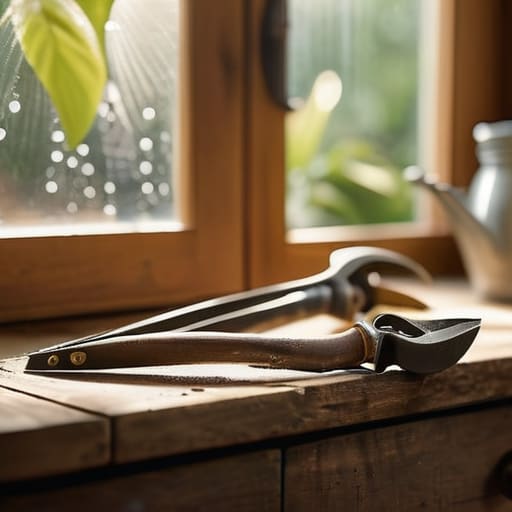
At the end of the day, maintaining your garden tools isn’t about achieving some impossible standard of perfection; it’s about building a reliable system. By committing to a quick clean after every use and implementing a simple oiling routine, you stop fighting against your equipment and start working with it. You don’t need a garage full of specialized chemicals or expensive gadgets to make this work. You just need the discipline to treat your tools with a bit of respect so that when you finally have a free hour to get your hands in the dirt, your shears actually cut and your trowels aren’t clogged with grit. It’s about reducing the friction between your intention and your actions.
I’ve spent my career looking for ways to streamline workflows, and I can tell you that the same logic applies to your backyard. When you care for your tools, you are actually protecting your future time. You are ensuring that your tools remain an extension of your hands rather than a source of frustration. Don’t let the maintenance feel like another item on a never-ending to-do list; instead, view it as a way to clear the mental clutter. When your gear is ready, you are ready. Now, go out there and make space for what matters most.
