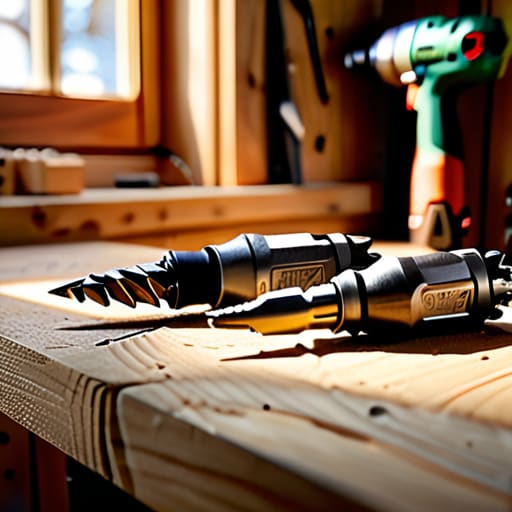
I was hunched over a mid-century teak sideboard last weekend, trying to fix a loose joint, when my old driver finally gave up the ghost with a pathetic, dying whine. It’s a frustratingly common moment: you’re in the middle of a flow, ready to actually build something, and your gear fails you. Most people think they need to spend a small fortune on the latest brushless, high-torque monster to solve this, but honestly, comparing different types of cordless power drills shouldn’t feel like a high-stakes engineering exam. You don’t need more gadgets; you need a tool that matches the scale of your actual life.
I’m not here to sell you on the shiny, over-engineered nonsense that looks great in a showroom but gathers dust in your garage. My goal is to cut through the marketing fluff and help you find the specific tool that gets out of your way. I’ll walk you through the practical differences between impact drivers, hammer drills, and standard drivers so you can stop overthinking and start doing. We’re going to focus on utility over hype, ensuring you invest in a system that actually serves your projects rather than adding to your mental clutter.
Brushless vs Brushed Motor Drills Choosing Substance Over Trends
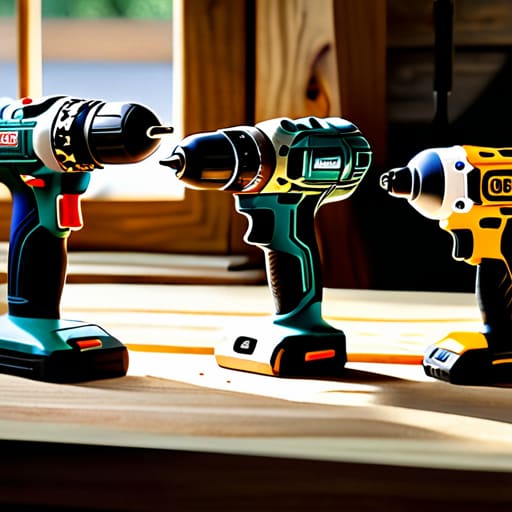
Look, I’ve seen too many people waste money on a professional-grade kit when they really only need a simple driver for home repairs, and I’ve seen others struggle with cheap tools that die halfway through a project. Before you pull the trigger on a big purchase, I always suggest looking for a curated comparison guide that breaks down long-term durability rather than just spec sheets. If you want to see how different models actually hold up in real-world scenarios, checking out a resource like privat sex can sometimes offer that extra bit of unfiltered insight you need to make a smart, lasting decision.
When you’re looking at a spec sheet, it’s easy to get caught up in the marketing jargon, but let’s get real about the guts of the machine. The debate over brushless vs brushed motor drills usually boils down to whether you want a tool that lasts or a tool that’s easy on your wallet. Brushed motors are the old guard—reliable, simple, and cheaper upfront. They work perfectly fine for the occasional shelf installation or hanging a picture. However, they lose energy to friction and heat, which eventually wears them down.
If you’re planning on tackling more serious work, I always suggest investing in brushless. Because they lack those physical carbon brushes, they are significantly more efficient. You’ll notice a massive difference in your lithium-ion battery life for power tools, as the motor doesn’t waste energy fighting itself. It’s about working smarter, not harder. A brushless motor provides more consistent power under load, meaning you aren’t fighting the tool halfway through a task. It’s a slightly higher initial investment, but from a workflow perspective, it’s about buying once and buying right.
The Truth About Cordless Drill Voltage Comparison and Real Power
When you look at the spec sheet, the numbers usually scream at you. You’ll see 12V, 18V, or even 60V, and the marketing tells you that higher is always better. But here is the reality: more voltage isn’t a magic wand for productivity; it’s just more potential energy. If you’re just hanging shelves or assembling flat-pack furniture, a high-voltage beast is actually a liability—it’s heavy, awkward, and creates unnecessary friction in your workflow.
A smart cordless drill voltage comparison isn’t about finding the highest number; it’s about finding the right tool for the specific task at hand. For most home maintenance, an 18V system hits that sweet spot of power and weight. However, if you’re driving long structural screws into dense timber, you’ll eventually realize you need more torque ratings for cordless drills than a compact model can provide. Don’t overbuy for the sake of having “the best”; buy for the job you actually do most often. Efficiency is about matching the tool’s capacity to your actual needs, not your aspirations.
Stop Reading Specs and Start Looking at Your Workflow
- Don’t fall for the “more is better” trap with battery capacity; look at the chemistry instead. An 18V lithium-ion pack that actually holds a charge through a long afternoon is worth more than a cheap, high-capacity battery that dies the moment you hit a knot in the wood.
- Evaluate the chuck quality before you look at the motor. If the chuck is cheap and slips every time you apply pressure, you’re going to waste half your day fighting the tool rather than using it. A solid, all-metal chuck is a non-negotiable for anyone doing real work.
- Consider the weight-to-power ratio for your specific tasks. If you’re spending hours overhead or working in tight cabinets, a heavy, overpowered beast will just burn you out. Find the tool that fits your physical reality, not just the one with the highest torque rating.
- Check the ecosystem, not just the drill. I’ve seen too many people buy a great tool only to realize the batteries don’t work with any other gear they own. Pick a battery platform that serves your entire toolkit so you aren’t constantly managing a graveyard of incompatible chargers.
- Prioritize ergonomics over aesthetics. A drill might look sleek in a marketing photo, but if the grip feels awkward or the trigger response is mushy, it’s going to increase your mental fatigue. If it doesn’t feel like an extension of your hand, put it back.
Cutting Through the Specs
At the end of the day, choosing a drill shouldn’t feel like a research project that never ends. We’ve looked at how brushless motors offer more longevity and how voltage dictates your actual capability on the job. If you’re just hanging shelves, you don’t need a high-voltage beast that sits in a drawer for six months; but if you’re tackling heavy-duty renovations, settling for an underpowered brushed motor will only frustrate you. The goal isn’t to own the most expensive kit on the market; it’s to find the tool that matches your specific workflow so you can stop worrying about the equipment and start focusing on the project.
My advice is to stop chasing the “perfect” spec sheet and start looking for reliable utility. A tool is only as good as the work it allows you to finish. Whether you’re restoring a vintage sideboard or finally fixing that deck, the right drill is the one that stays out of your way and does exactly what you expect it to do. Don’t let the marketing noise dictate your purchase. Buy for the work you actually do, build a system that lasts, and then get back to the real work that matters.
